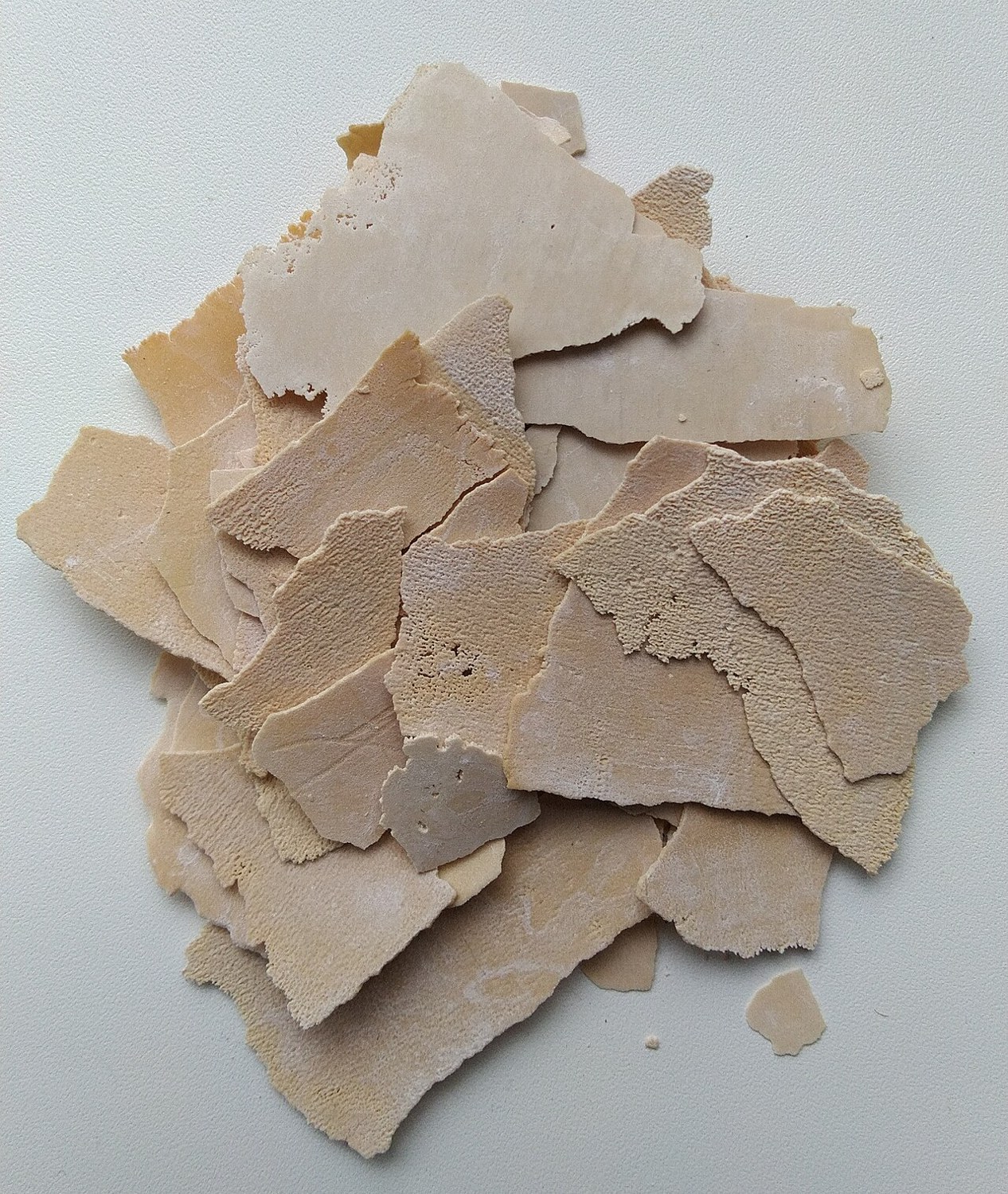
Pale deposits in a kettle and residues inside a coffee machine do not automatically need the same treatment. Identify the product, accessible components and intended procedure before descaling. A household remedy is not universal approval.
Separate scale from other residues
Read the manufacturer’s care description. Coffee oils, milk residues and mineral deposits are different tasks, potentially requiring separate programmes or chemicals. A cleaning cycle is therefore not automatically a descaling cycle. With a used product, previous treatments may also be unknown. Ask for available maintenance records without treating a verbal assurance as proof of internal cleanliness. Do not open pipes or electrical enclosures to inspect them. Start with visible areas intended for user access. Unusual corrosion, leaks or damaged parts require clarification before another care procedure is used in the hope that it will act as a repair.
Use the intended chemical correctly
Choose a product explicitly suitable for the appliance and follow both its concentration instructions and the appliance manual. Do not combine cleaners, descalers or household chemicals. Something suitable for an open container is not automatically suitable for pumps, seals and internal water paths. Bosch, for example, advises against vinegar descaling for its coffee machines. This illustrates why a popular recipe should not be transferred without checking. Follow the intended programme and use only approved containers and accessories. More chemical or a longer contact time is not automatically more effective or compatible. Ask the manufacturer before starting if the available directions conflict.
Plan rinsing and future care
Complete every required rinsing step instead of stopping when a visible deposit disappears. Make clear that treatment is underway so nobody accidentally drinks from or uses the appliance. Afterwards, inspect accessible components for residue and unusual changes. Keep a note of the date and procedure used. Future intervals depend on the model, usage and water conditions; one universal timetable does not fit every product. If restricted flow, errors or leaks remain, repeated descaling is not a proven solution. Describe the remaining behaviour and establish whether service is required. A maintenance procedure cannot replace a complete condition assessment of the used appliance.
Common questions
Is citric acid always the gentler choice?
Not automatically. Compatibility and procedure depend on the appliance. Explicit suitability matters more than whether the chemical has a familiar or natural-sounding name.
Can descaling fix a leak?
There is no general promise that it will. Follow the manual and obtain qualified assessment where appropriate rather than treating a leak with further chemicals.