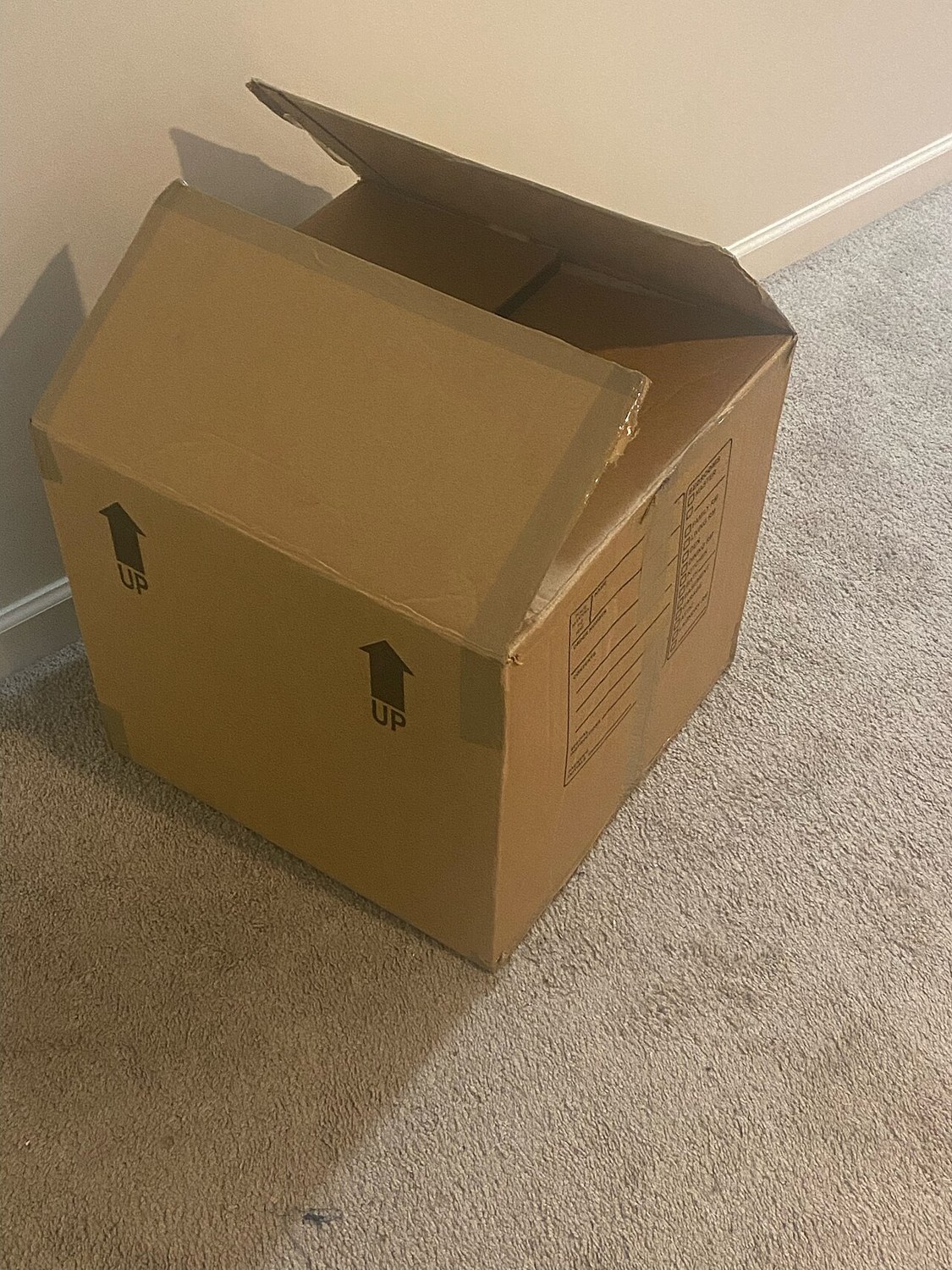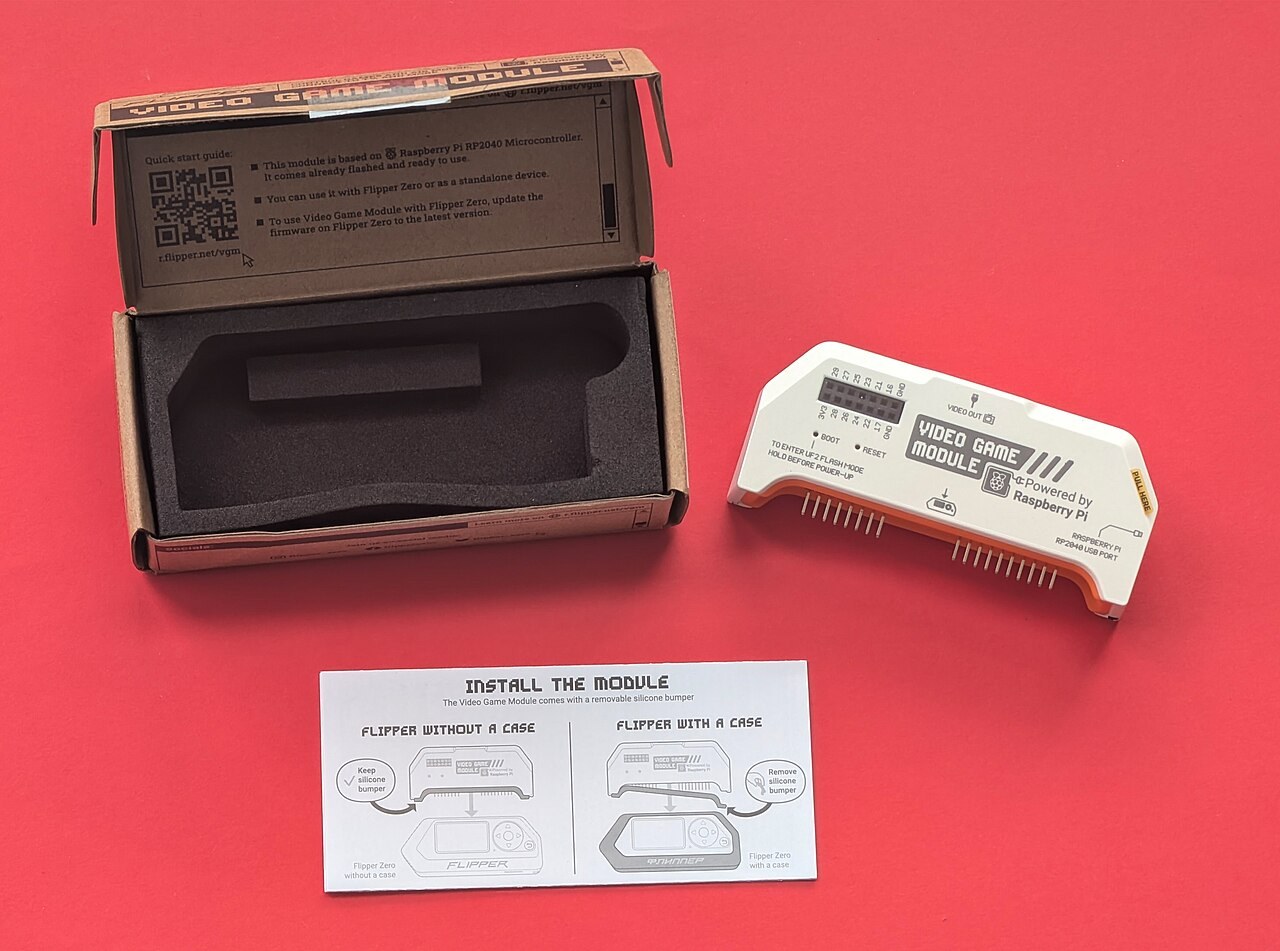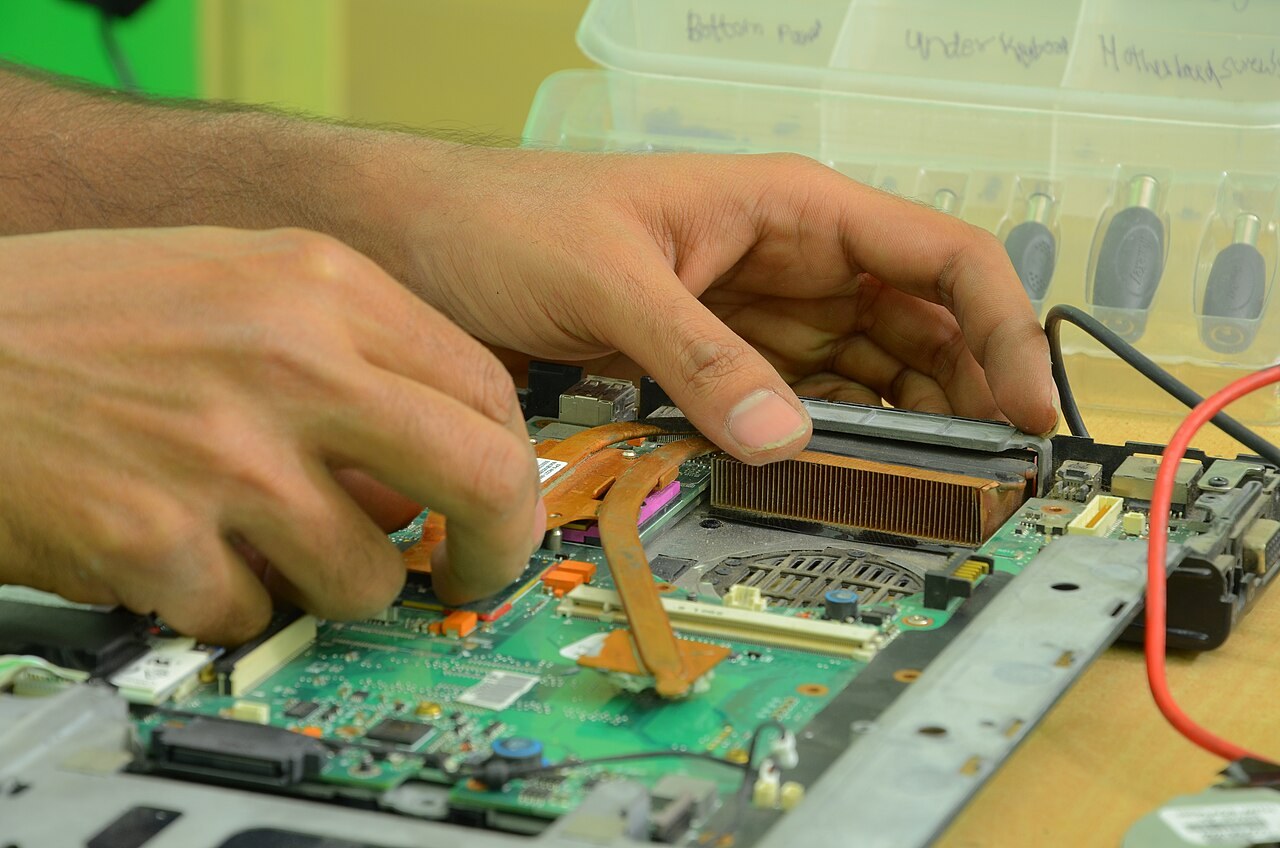
A scratch is visible; an unreliable socket may reveal itself only during use. When assessing B-Ware, consider exterior changes and functional limitations separately. This helps you judge harmless marks proportionately and prevents a potentially important warning sign from being dismissed as an appearance issue without examination.
Describe before you evaluate
Write down what you can actually see: a notch in a handle, a dent in a side panel or a crack beside a mounting point. A location is more informative than heavily scratched. Take both an overview and a close photograph so the size and position remain understandable.
Then consider what the affected area does. A decorative cover and a load-bearing joint serve different purposes. Small changes around a connector or seal can matter more than a large shallow scuff on a surface that carries no load. Appearance alone cannot establish which situation you are looking at.
Check intended use carefully
Use ordinary operating actions to identify an effect. Does a connector remain secure? Does a door close without scraping? Does a button respond each time? Change one condition at a time so the observation remains understandable. Force, deliberate overloading and pressure on damaged surfaces are not useful inspection methods.
With electrical equipment, exposed wiring, distortion around a battery or visible liquid should end the attempt to power it on. Stop and obtain appropriate professional advice. A remote assurance that damage is only cosmetic cannot replace addressing visible warning signs, even when the seller mentions a previous function test.
Record accepted differences precisely
A cosmetic defect you deliberately accept should be described clearly enough that there can be no confusion about its location later. Ask whether the related function was checked and whether other damage is known. An explanation of the cause can help, but without evidence it remains the provider’s explanation.
Consider your own use: a display mark might disturb you continuously, while a hidden rear mark barely matters. If repair would be necessary, establish suitable parts and effort before deciding. An attractive cosmetic compromise becomes less useful when a previously overlooked function does not operate reliably during everyday use.
Common questions
Is scratched equipment technically worse?
Not automatically. Surface marks can occur without lost function. Their position and the results of appropriate checks matter.
Can a function test exclude hidden damage?
No. It describes observed operation at that point in time. It does not replace professional investigation where there is a specific reason for concern.