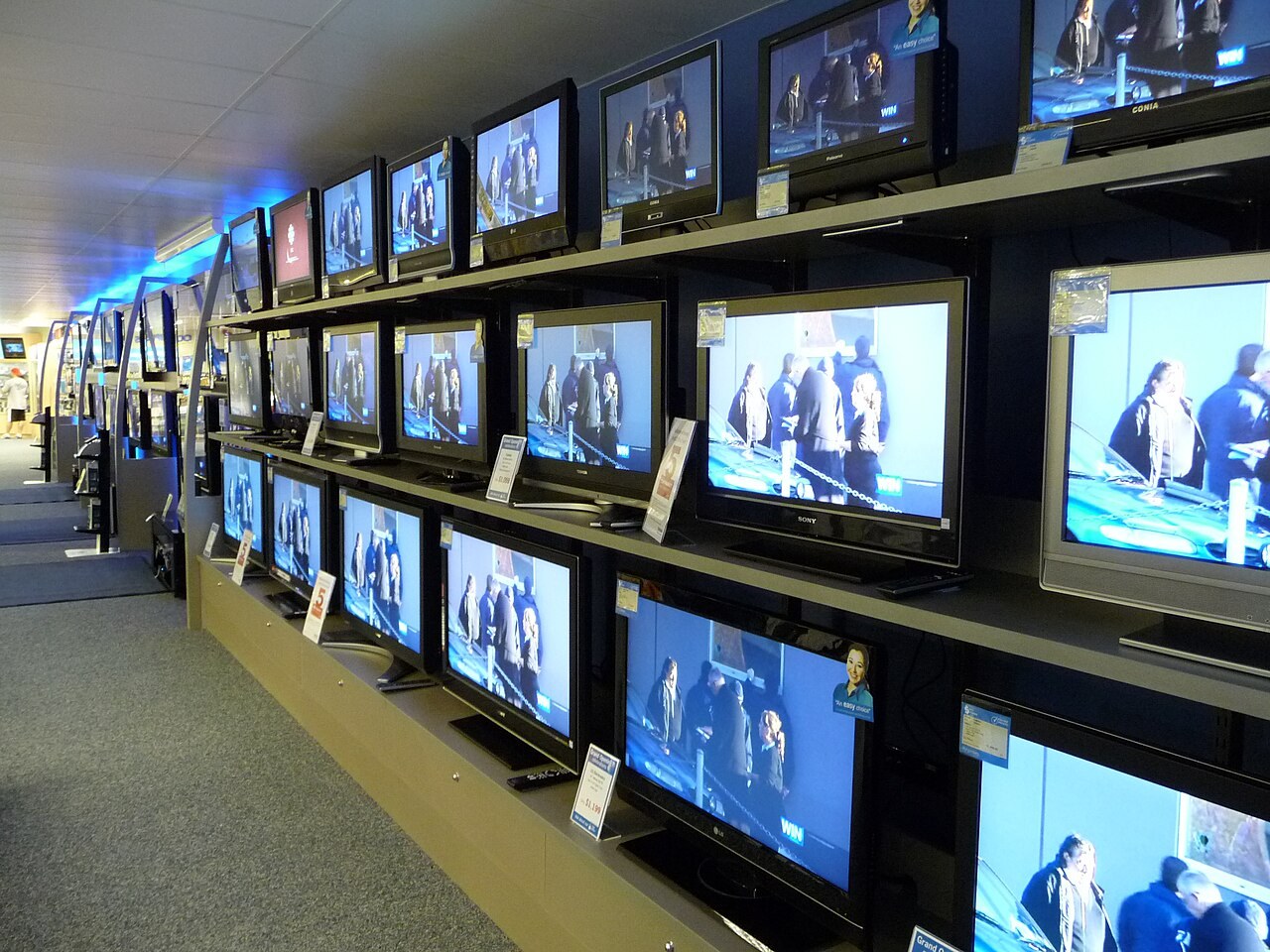
A display model has been presented, handled or demonstrated. How intensively depends on the product and its setting. A shelf standing untouched in a window has a different history from a television running every day. The description therefore cannot replace an account of the actual use of the individual item.
Understand the type of demonstration
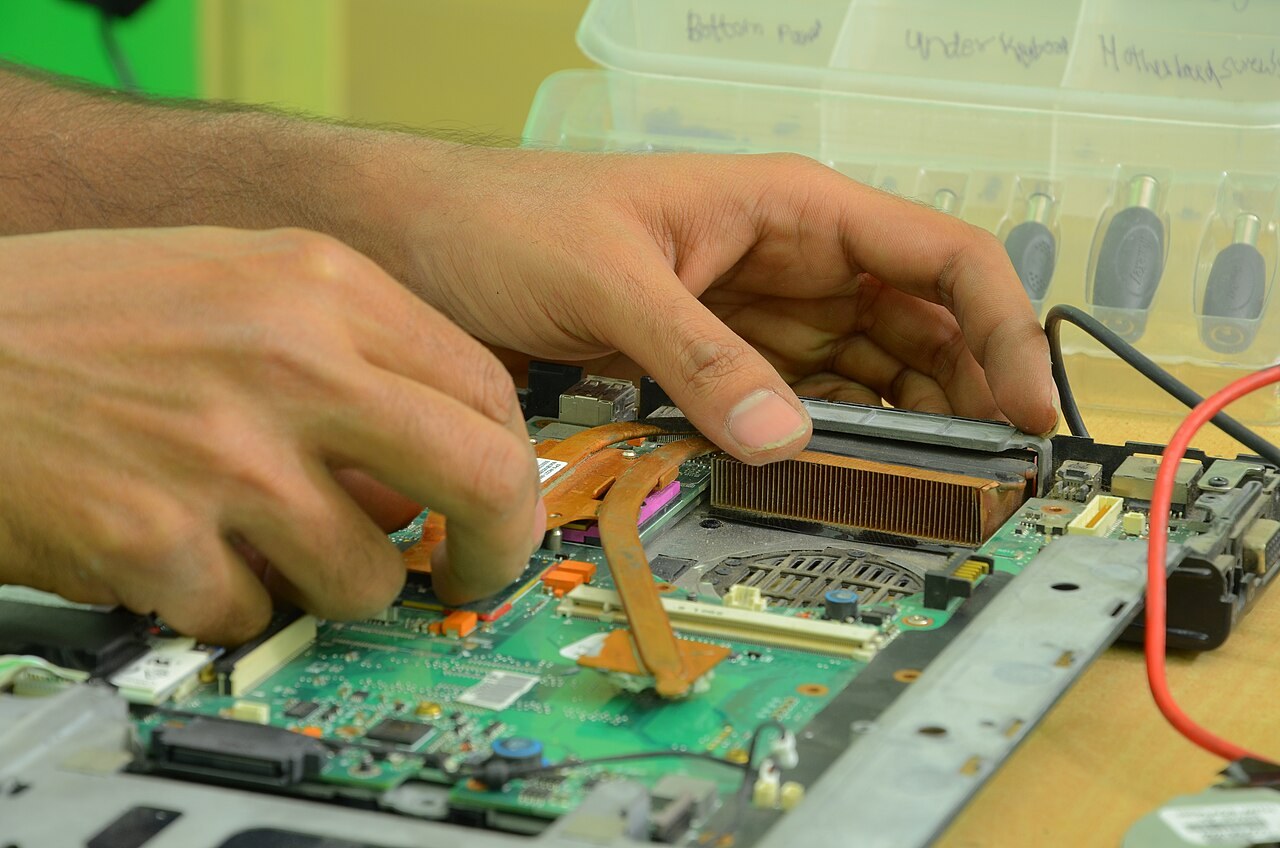
Ask whether the product was merely displayed or regularly operated. For a laptop, consider its connected charger, battery condition and keyboard. For a television, ask about displayed content and any recurring image traces. For furniture, repeated adjustments and moves may matter more than hours of operation.
Have any available usage figures explained, but do not turn one number into a reliable estimate of remaining life. A counter may record only part of the history. Unknown use should remain unknown in your assessment rather than being replaced with an attractive assumption because the price looks promising.
Inspect handled and moving areas
Pay closer attention to buttons, handles, joints, edges and supporting feet than to large decorative surfaces. Worn lettering or loose controls may affect everyday use more than a faint scratch on the rear. Try adjustments only within the movement range intended for that particular product.
On screens, alternate ordinary content with brief plain-colour views. Persistent traces of an earlier image deserve clarification, especially on OLED panels. A manufacturer-provided maintenance function is not a promise to remove every visible issue completely. Do not treat an unexplained defect as something that will certainly become a minor matter later.
Define exactly what the sale includes
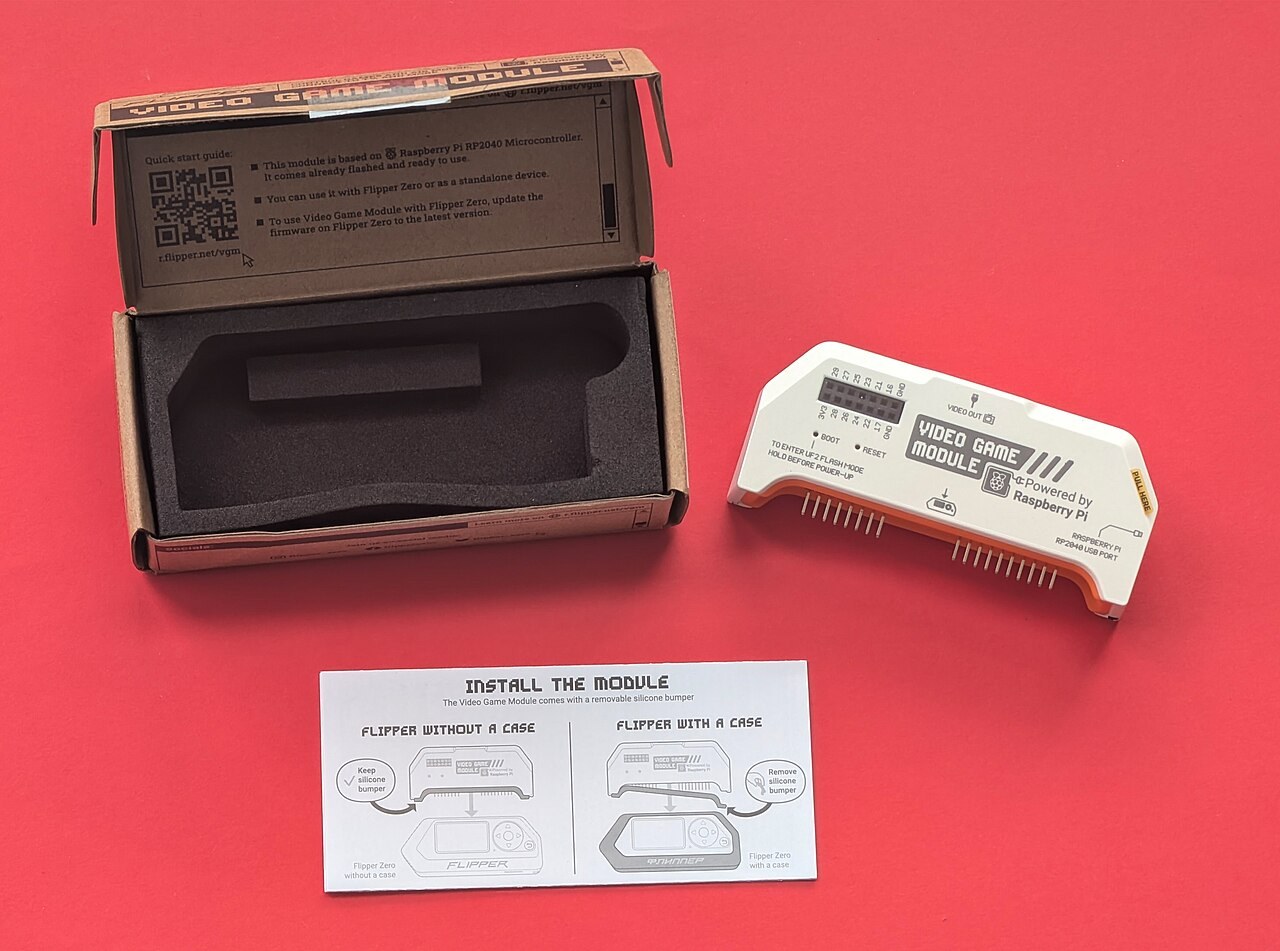
Demonstration units are often displayed without complete packaging and accessories. Check which feet, screws, remotes, power supplies and protective supports will actually be provided. Accessories belonging to a neighbouring display product are not automatically included simply because they appear in the same photograph.
Also clarify who handles dismantling and safe transport. A fully assembled piece of furniture may not fit through a narrow door, and a large screen needs suitable protection. Record accepted marks in the offer description and compare the complete effort with an alternative of the same specification.
Common questions
Are display models always heavily used?
No. Their history can range from static presentation to regular operation. Ask about the actual use of the individual item.
Does a clean exterior prove light use?
No. Cleaning and surface appearance cannot reliably establish operating time, battery ageing or wear inside the product.