An unwanted electrical product does not automatically belong in ordinary waste. Before disposal, consider responsible reuse, any information still stored on it and the collection route appropriate for that particular product.
Distinguish usefulness from safety
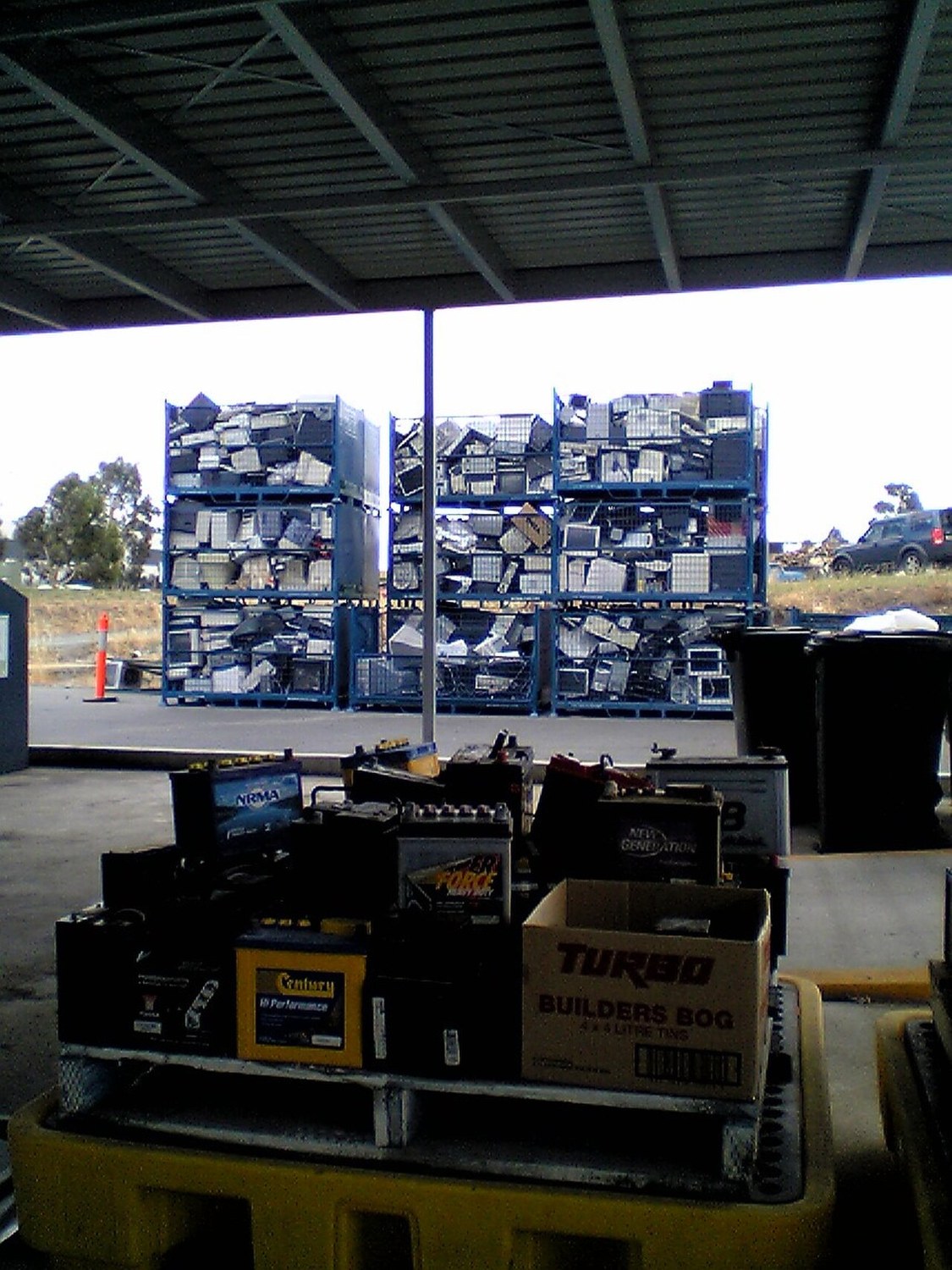
Consider whether the product can still be used as intended or whether repair can reasonably be assessed. A functional item can be passed on with an honest condition description. Do not conceal an unresolved safety issue behind a label such as for hobbyists. Follow any relevant recall instructions. If reuse is inappropriate, find an official municipal or other authorised collection point. Germany’s Umweltbundesamt advises collecting electrical products separately from household waste. Ask whether the specific type is accepted and check collection arrangements for large appliances before transporting a heavy object to an unsuitable location. A working appearance alone does not resolve an outstanding safety concern.
Prepare data and removable components
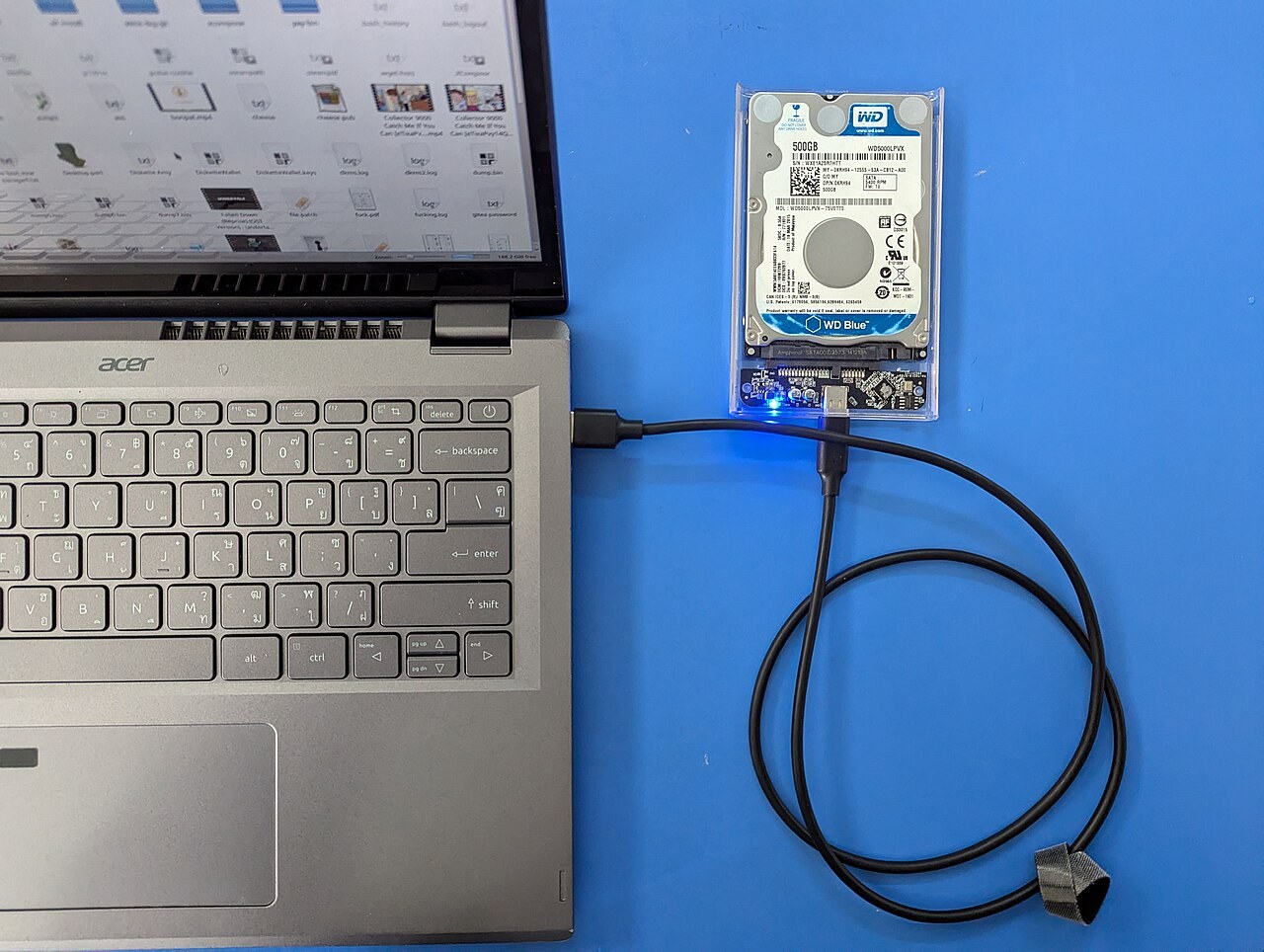
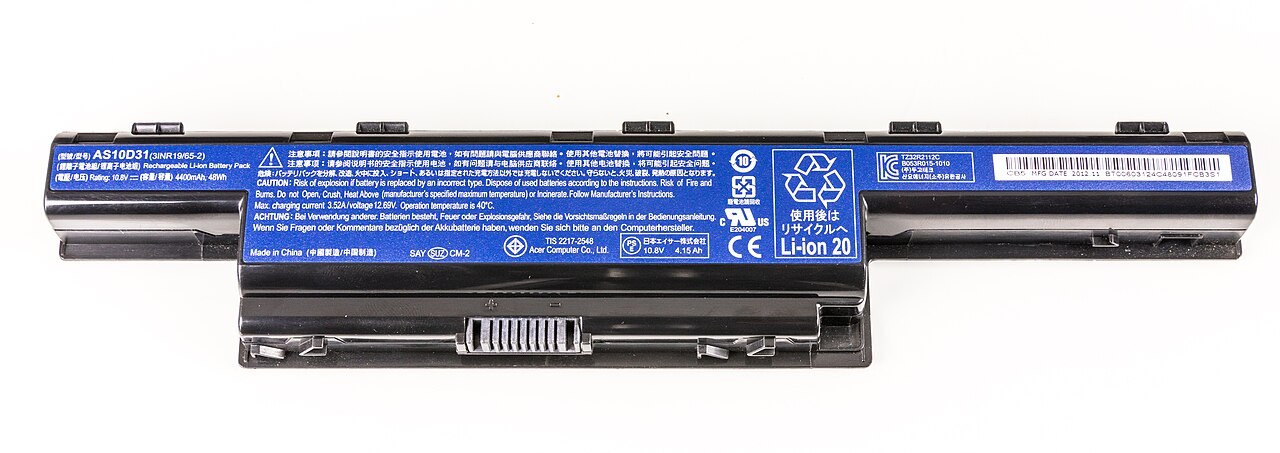
Back up needed information and remove personal data using a procedure appropriate for the device and its storage. A broken screen does not mean its memory is empty. If erasure is impossible, obtain a secure professional solution for the storage medium. Remove personal SIM and memory cards where intended. Take out batteries yourself only when it is safe and intended for user access. Do not open or damage a built-in battery to force separation. For damaged, swollen or leaking batteries, establish safe handling directly with the appropriate receiving facility instead of improvising removal, packaging or transport from general advice.
Organise the actual handover
Keep different waste categories and personal accessories separate. Ask the collection point how loose batteries, lamps or particular components are accepted. Arrange safe transport for heavy items and do not dismantle refrigeration equipment yourself. Until collection, store retired products so nobody accidentally reconnects them or touches damaged components. Do not leave electrical waste by the roadside without a confirmed intended collection arrangement. If a retailer offers take-back, check the actual conditions relevant to your case. Where information is sensitive, consider documenting the chosen data treatment. The aim is a clear handover that addresses stored information, battery safety and suitable collection together rather than leaving one of those tasks unresolved.
Common questions
Can a small electrical product go in general waste?
Use suitable separate collection for electrical products. Check local receiving points and the arrangements provided for the particular kind of item.
Must I force out a built-in battery?
No. Do not force removal. If safe intended removal is unavailable, tell the appropriate receiving facility about the built-in battery and its condition.