A useful condition description allows the next user to decide for themselves. It needs neither promotional language nor a technical diagnosis of every mark. Observations, contents and the limits of your checks should agree.
Describe the particular item
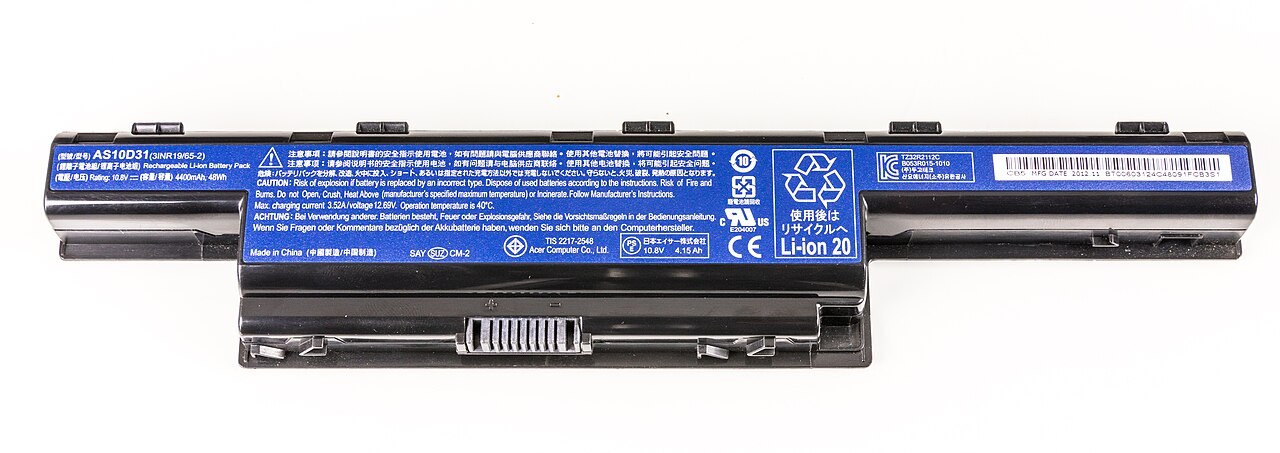
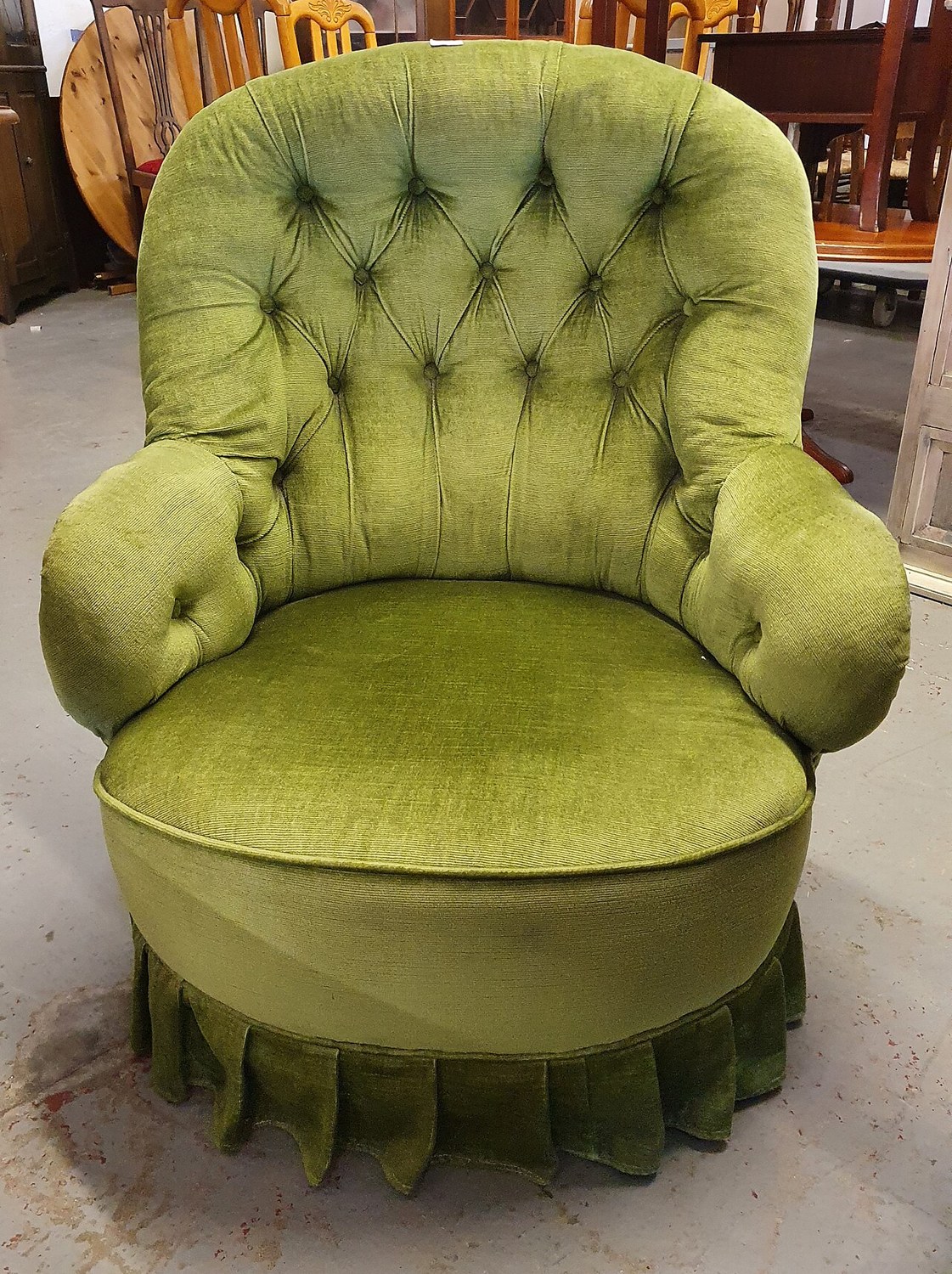
Give the complete model and relevant version. Use current photographs of the actual object and show important marks in a view that also supplies context. Describe where a scratch or dent is located instead of assigning only a broad condition grade. Mention missing components, alterations and known repairs where the information is genuinely available. An unknown history remains unknown and should not become a claim that the product has never been repaired. Persistent smells or restricted movement may also matter to someone else. Use factual wording without making everyday wear seem either artificially dramatic or entirely irrelevant to the decision.
Explain the limits of your checks
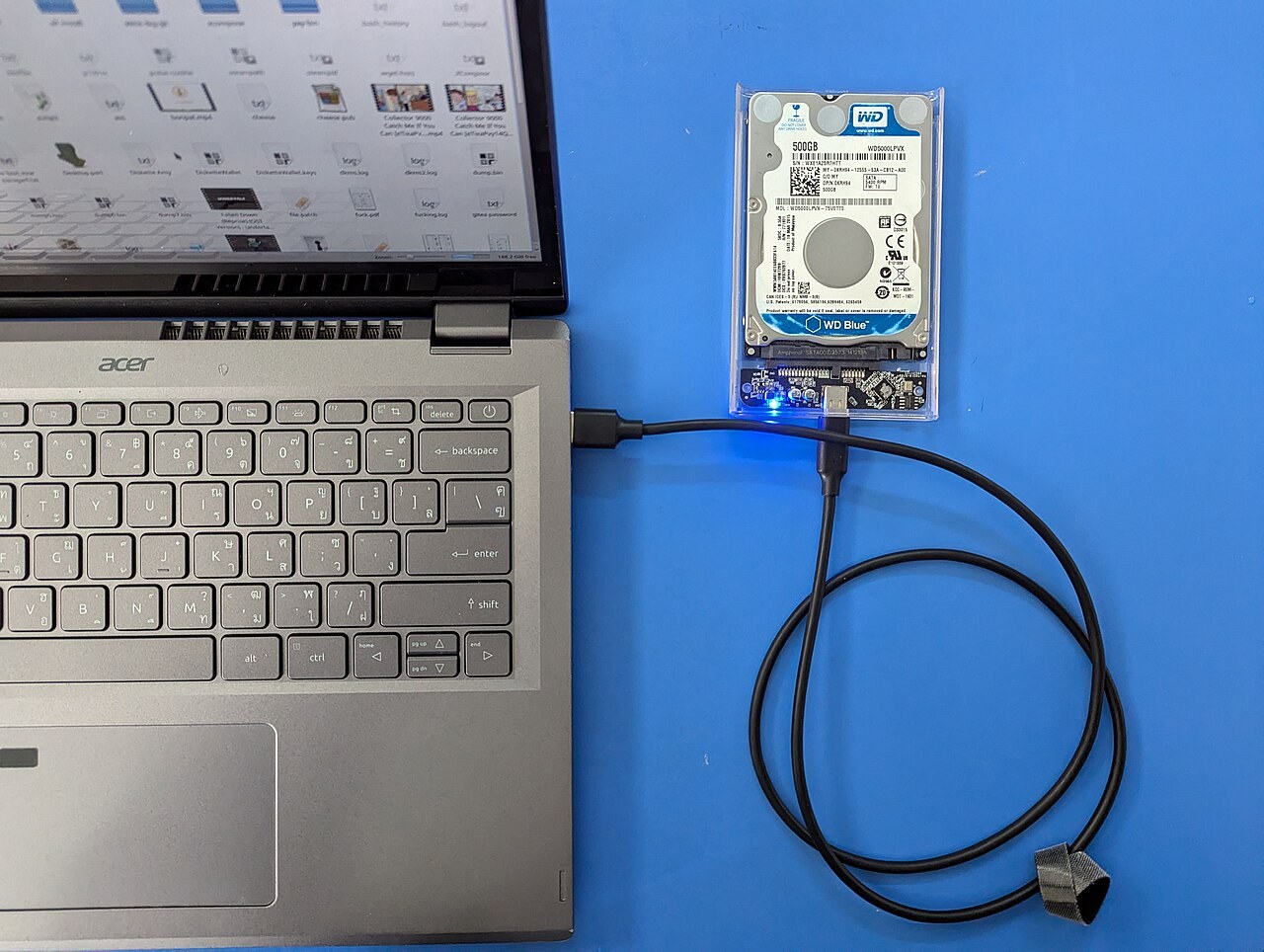
State which normal tasks you observed and which areas were not checked. A product that starts has not automatically been fully tested. An infrequently used connection can be described as untested. Avoid promises about remaining lifetime without reliable evidence. If there is a known safety issue, ordinary transfer as a ready-to-use product is not an appropriate response. Resolve recall instructions, repair or suitable handling first. Define the contents clearly so your own cables and personal additions do not unintentionally become part of the promise. Questions are easier to answer when photographs, description and inventory all refer to the same individual item.
Prepare a practical handover
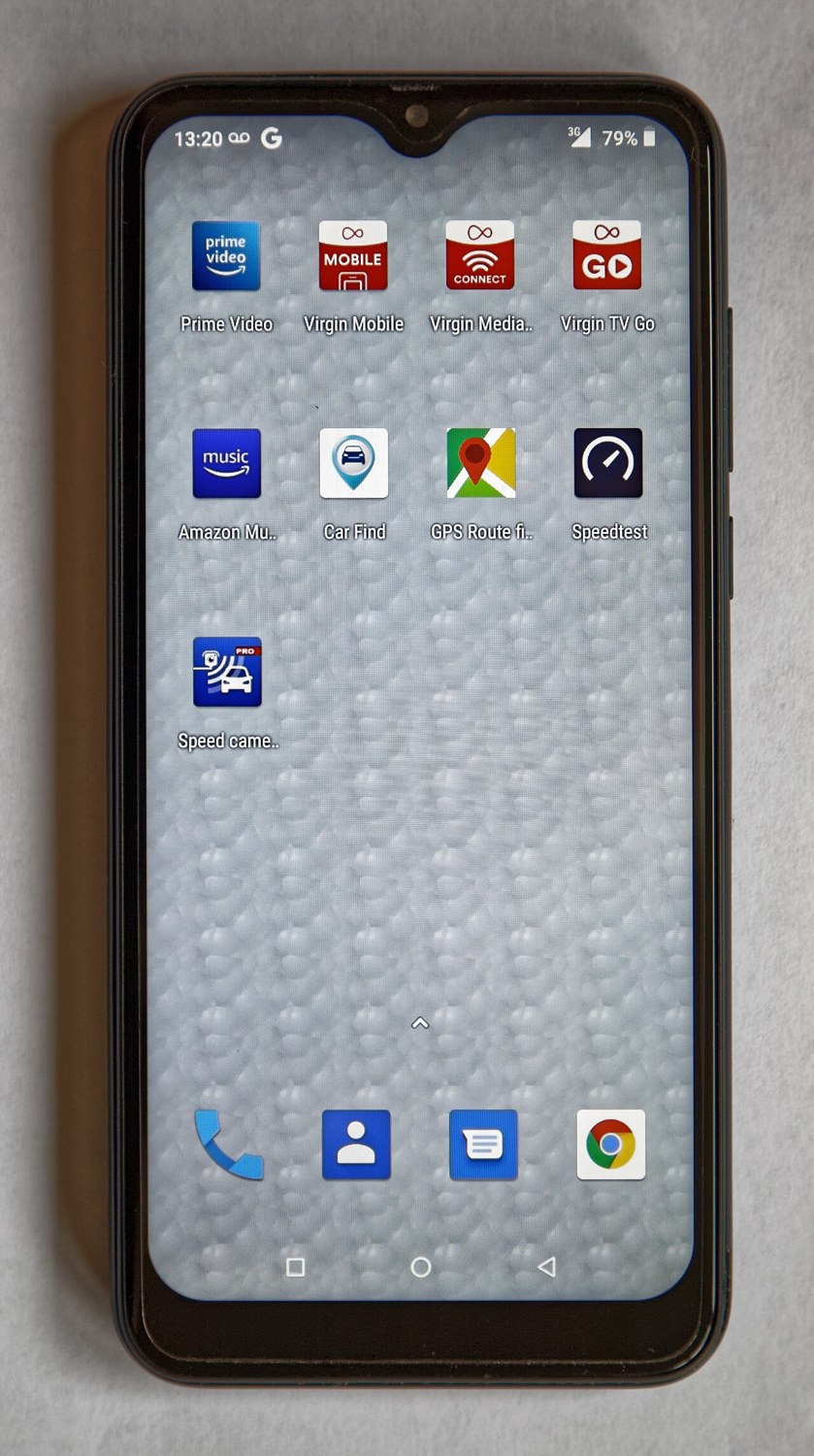
Remove personal content and account associations using the appropriate official procedures. Check additional storage media and private documents in drawers or accessory bags. Pass on available user instructions and relevant care information without including passwords or unnecessary personal details. For large objects, agree dimensions, collection and safe transport conditions. Demonstrate functions only under normal safe conditions rather than performing a risky trial to speed up the decision. Record which accessories were handed over. An honest description cannot eliminate every later question, but it makes clear what was known and which particular product and components were involved in the transfer.
Common questions
Is used and working enough?
It leaves important questions unanswered. Specific functions, known wear and missing components help the recipient more than one broad phrase about condition.
Should I omit areas I have not checked?
Explain the limits of your inspection. Not tested is useful information, whereas an unsupported assurance creates a false impression that the condition is fully known.