A return is initially an item sent back by a customer. The reason may be stated in the listing or remain unknown. The return alone cannot establish whether it was unused, tried briefly or sent back because of a problem. Read the rest of the description particularly carefully.
Do not confuse history with diagnosis
Ask whether the reason for return is known. An unsuitable product and a reported intermittent display fault have different histories. Both may need subsequent checks, but the initial question differs. An unknown reason should be treated explicitly as unknown instead of being supplied by an optimistic assumption.
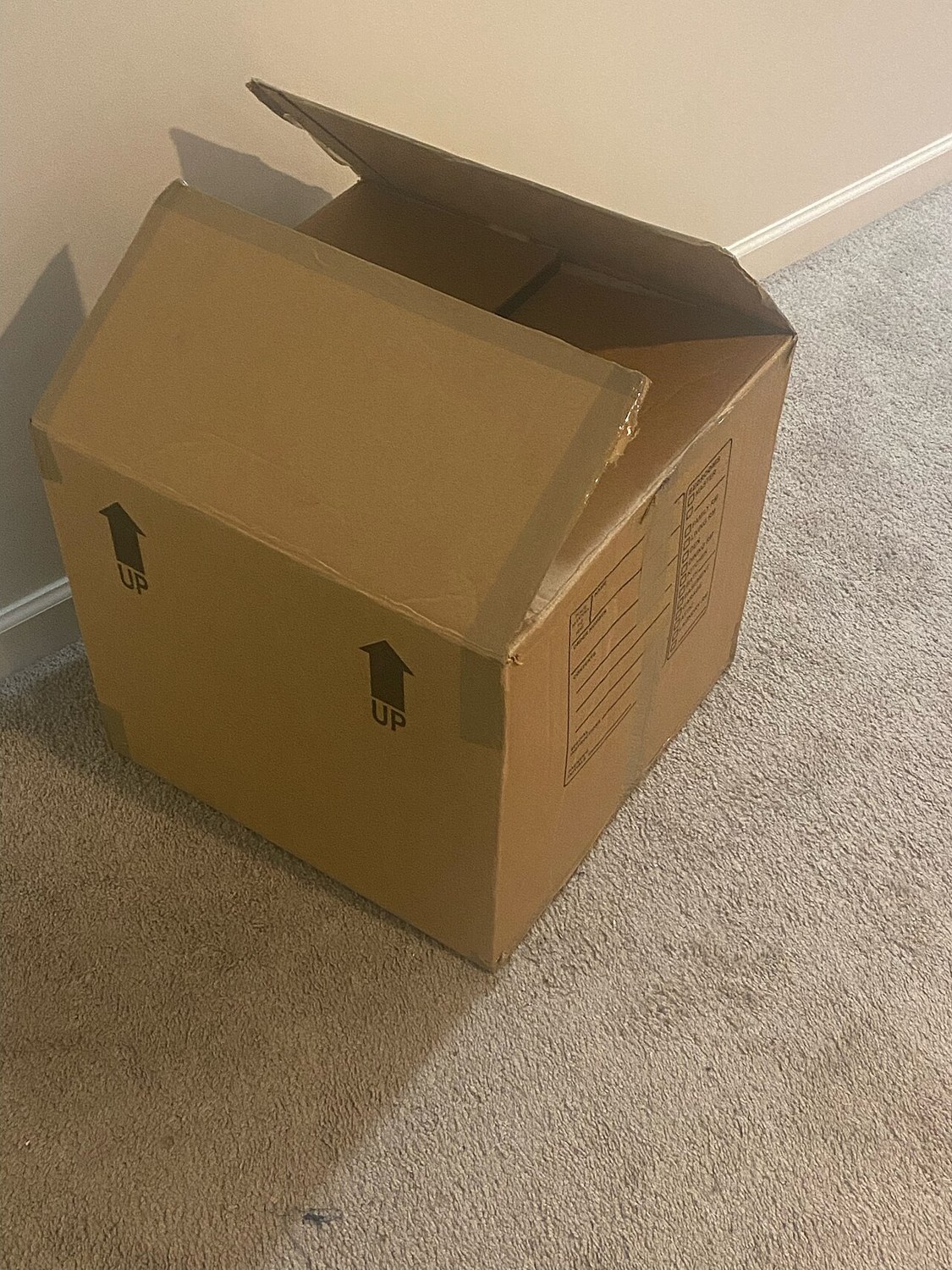
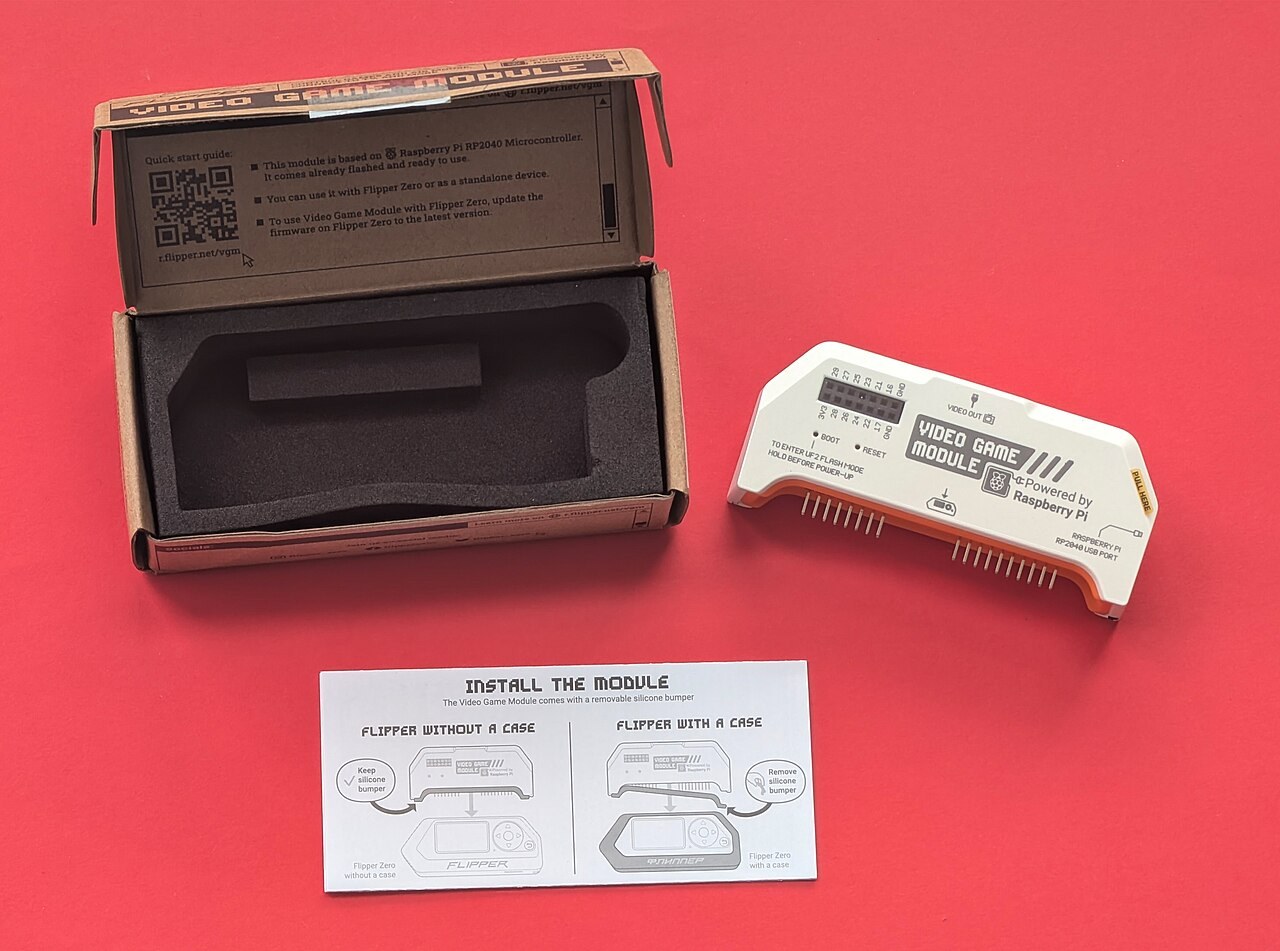
Also establish whether the product was inspected after arrival or simply offered for sale again. A sealed replacement carton can be part of shipping preparation without saying anything about inspection effort. Labels attached to the packaging likewise do not replace a clear account of the condition of the individual item inside.
Identify the work performed after return
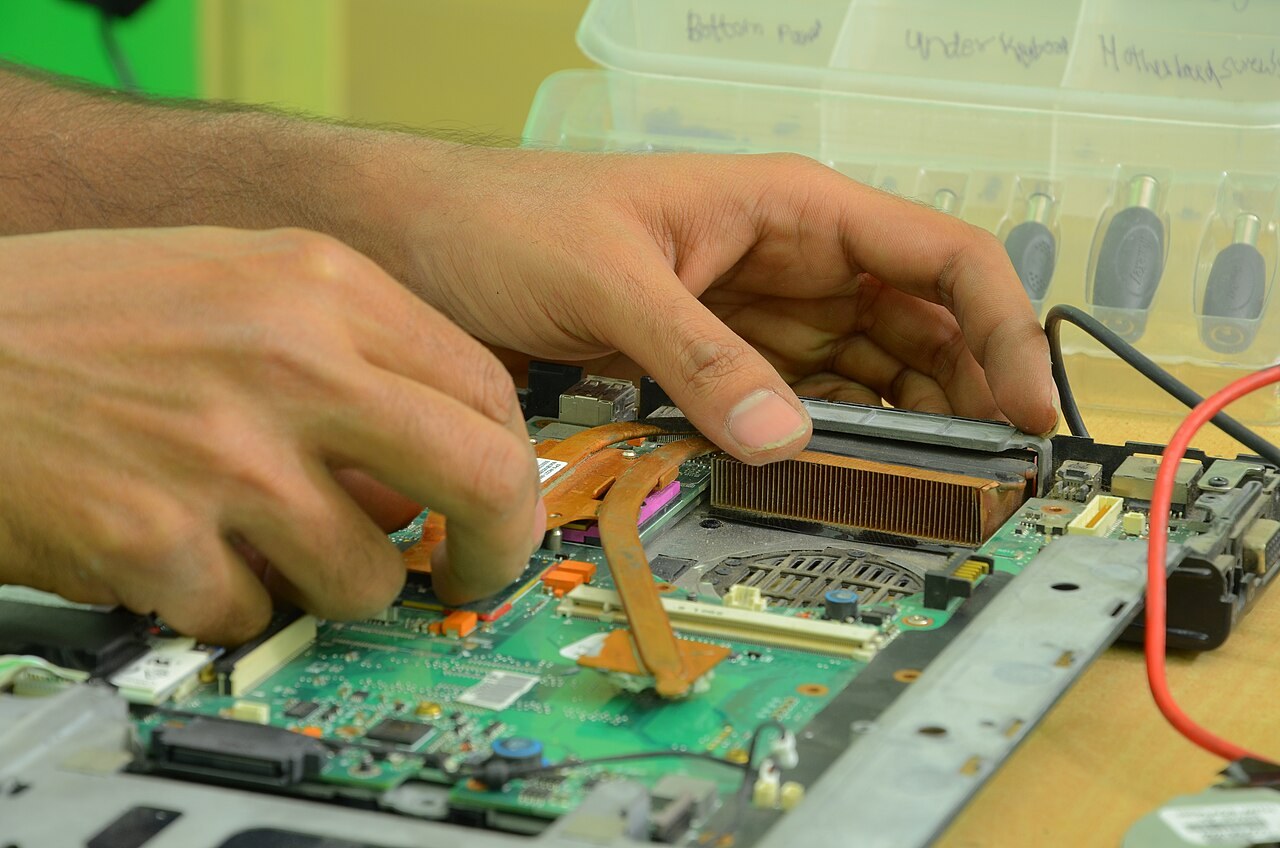
Request details appropriate to the product: functional inspection, cleaning, any repairs and an accessory check. A phone needs previous account restrictions addressed before it is usable by someone else. With household equipment, used filters or uncleaned contact areas may also be relevant to the decision.
If an original fault is mentioned, ask what the investigation found and what action was taken. No fault found is not the same statement as fault repaired. An intermittent problem may not appear in a short test. You need to understand which uncertainties remain before deciding whether the product suits you.
Compare delivery with the promised condition
Save the offer and start by inspecting visible marks and supplied accessories after delivery. Then try the functions you actually need. Do not transfer personal data before checking important restrictions and physical damage that could prevent ordinary use of the device.
Record discrepancies precisely, such as a missing attachment or repeated interruptions. Keep suitable packaging initially and agree the next step with the seller. A returned item may be entirely useful, but a positive decision should rest on current information rather than the general hope that returns are usually harmless.
Common questions
Is a returned item automatically refurbished?
No. A return does not describe a preparation process. Ask what work was actually performed after the item came back.
Should I ask about the previous customer?
Condition, the reason for return and subsequent checks are more relevant than another person’s identity. Their personal details are usually unnecessary for your inspection.