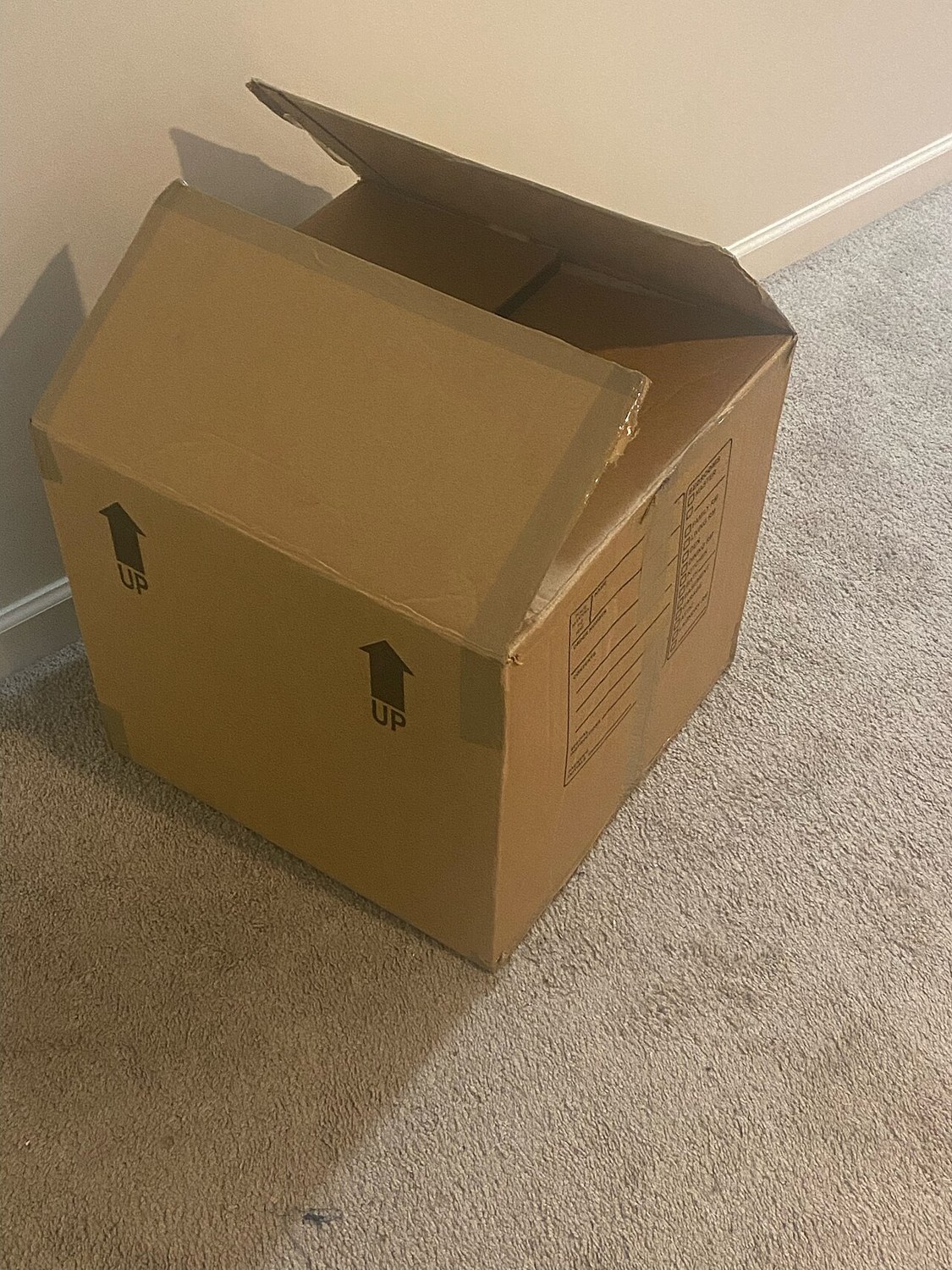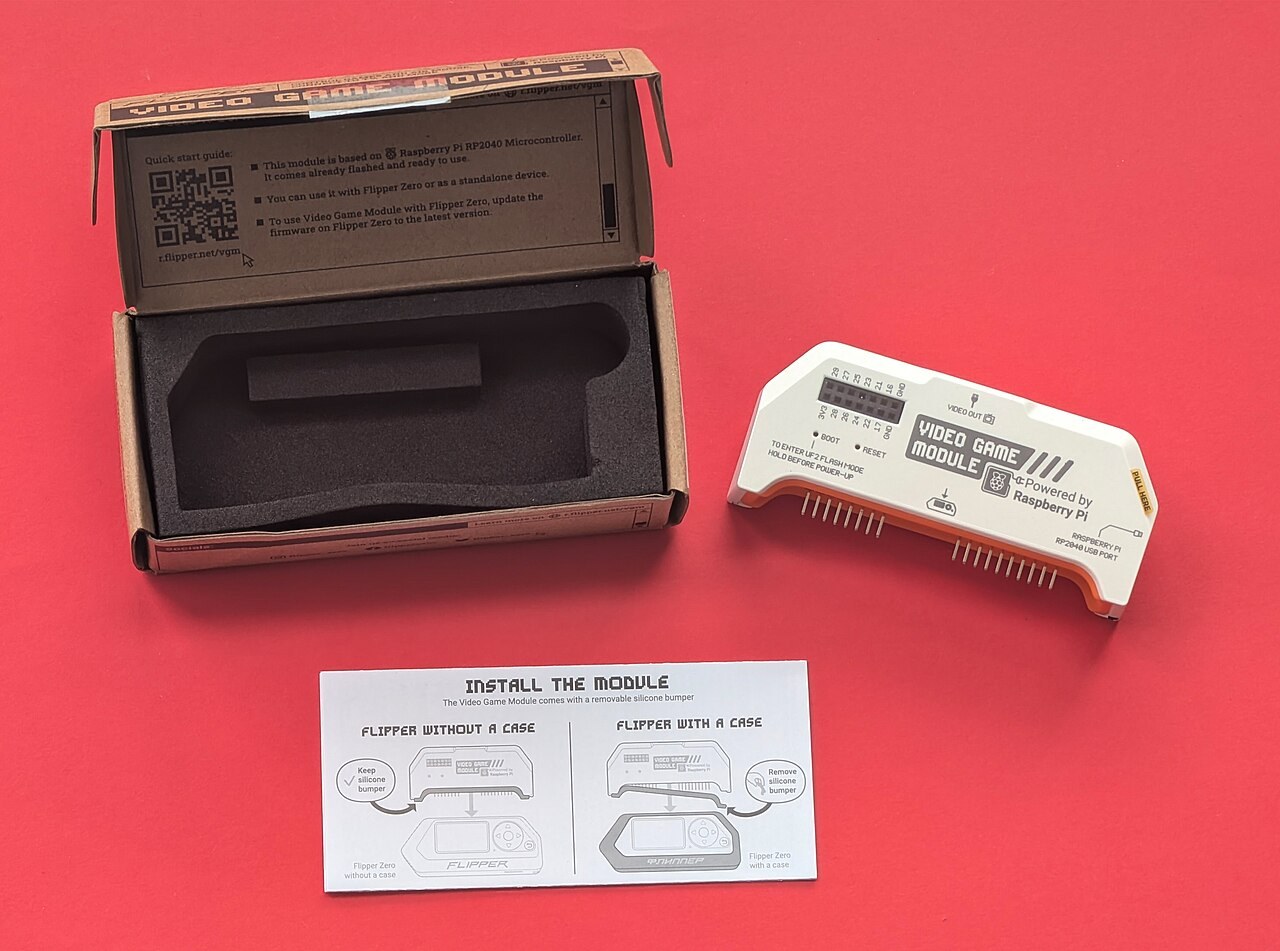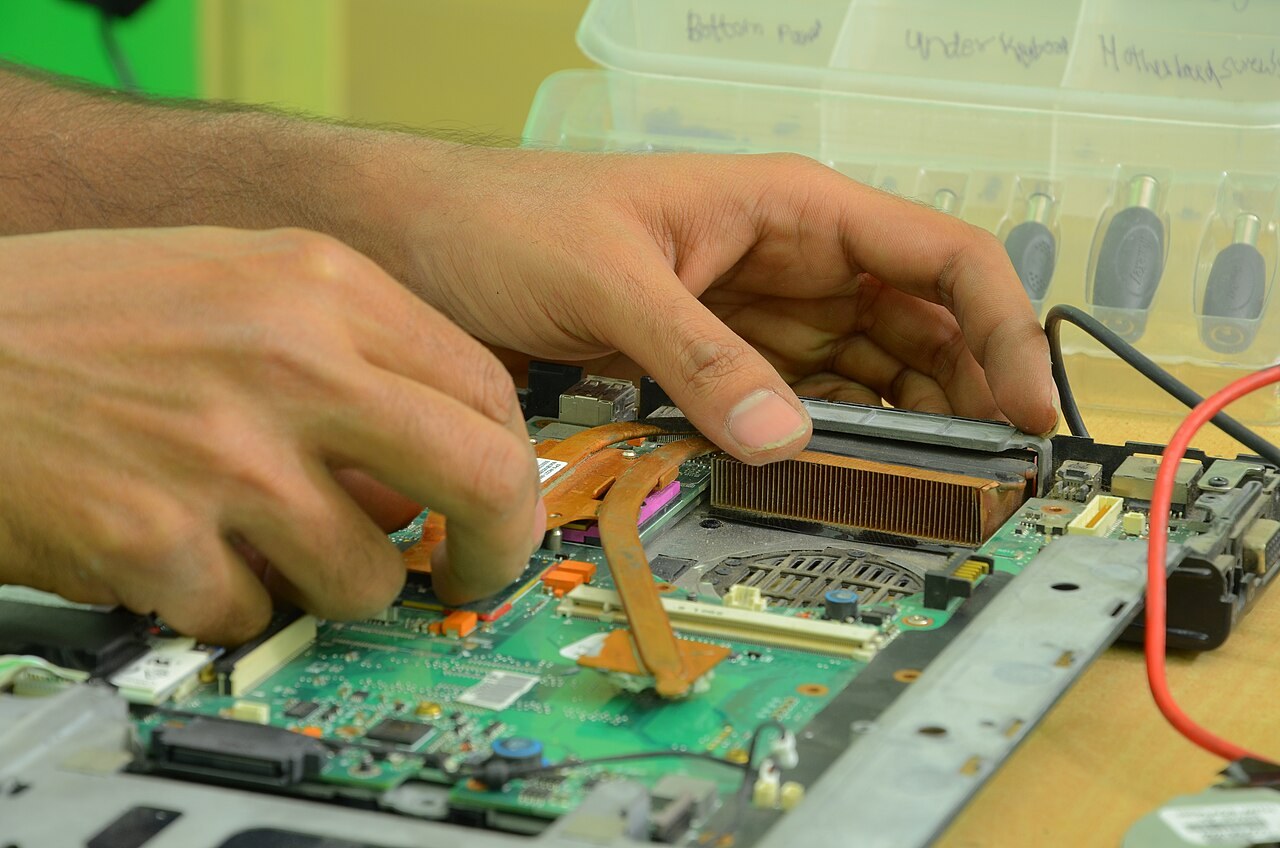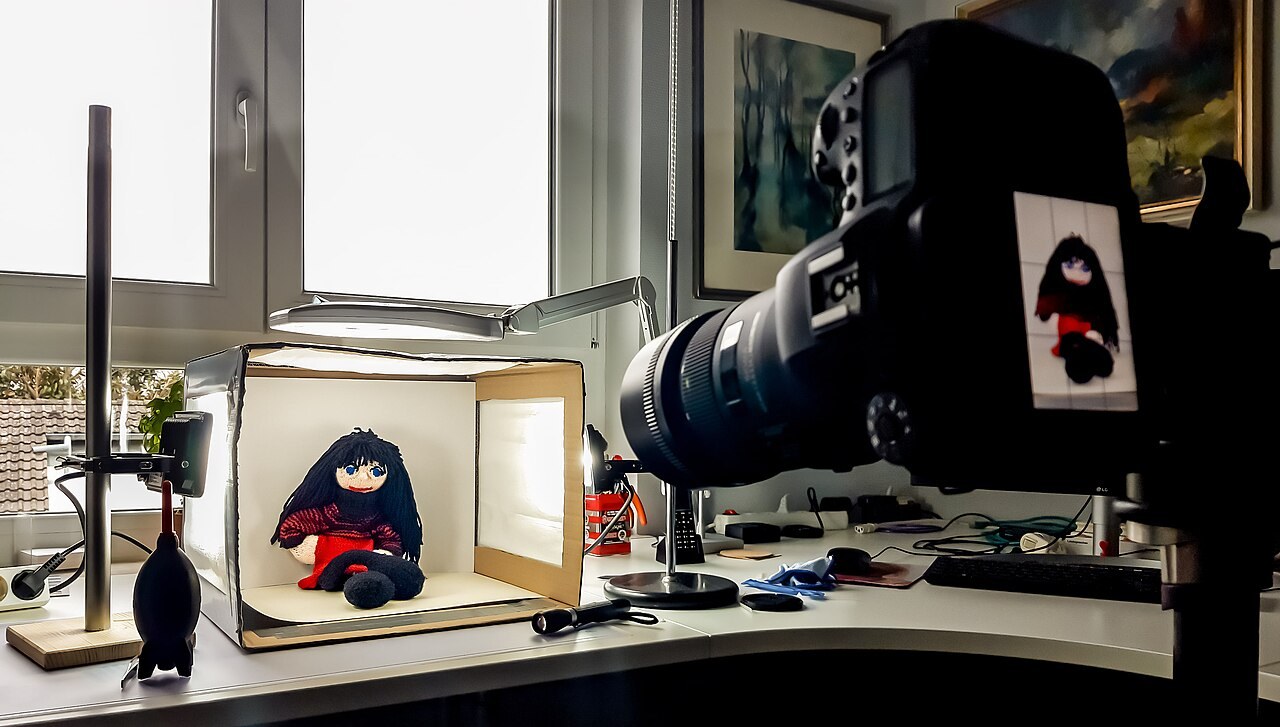
A professional product photograph often explains shape and features clearly. It does not necessarily show the used example you will receive, however. Distinguish images of the model from photographs of the individual item, and use each only for the questions that its contents can actually answer.
Clarify the image type and its relevance
Look for labels such as example image, illustration or actual item. Consistent studio photographs are not automatically misleading when their purpose is explained. They can help identify the position of a connector, for example. They cannot establish the wear on the individual product that will be delivered.
Where several units are available, ask whether the images match your selection. Even an authentic photograph may show merely one example from a larger stock. For an important defect, request a picture clearly tied to the specific offer without asking for personal information that is unnecessary to identify the product.
Consider framing, lighting and scale
A close photograph reveals a scratch but says little by itself about its position and size. An additional overall view and an understandable size reference help. Dark lighting, reflections and extensive editing can conceal or exaggerate marks. Compare several perspectives instead of relying on a single particularly attractive image.
Notice which important areas are absent: rear, underside, connectors or contact surfaces. A missing perspective does not necessarily indicate concealed damage. It initially means you cannot assess that area yet. A targeted request for another photograph is more useful than speculating about the seller’s motives from the omission alone.
Read pictures alongside description and function
Compare visible equipment with the stated contents. A cable placed beside the device may not be included. A lit screen does not establish that every connector works properly. Display photographs can also contain camera effects that do not appear in the same way to the naked eye.
Keep relevant images with the written condition description. If a discrepancy remains, ask a concrete question about the marked enclosure edge or missing stand. Photographs reduce uncertainty, but cannot replace technical inspection or a clear commitment about what the sale includes. Use them as evidence of visible details rather than a complete product test.
Common questions
Are illustration images always useless?
No. They can explain the model. Individual marks and equipment require additional information about the actual item.
Can a photograph prove that equipment works?
It shows at most one visible situation. Intermittent faults, runtime and functions outside the image cannot be assessed reliably from it.