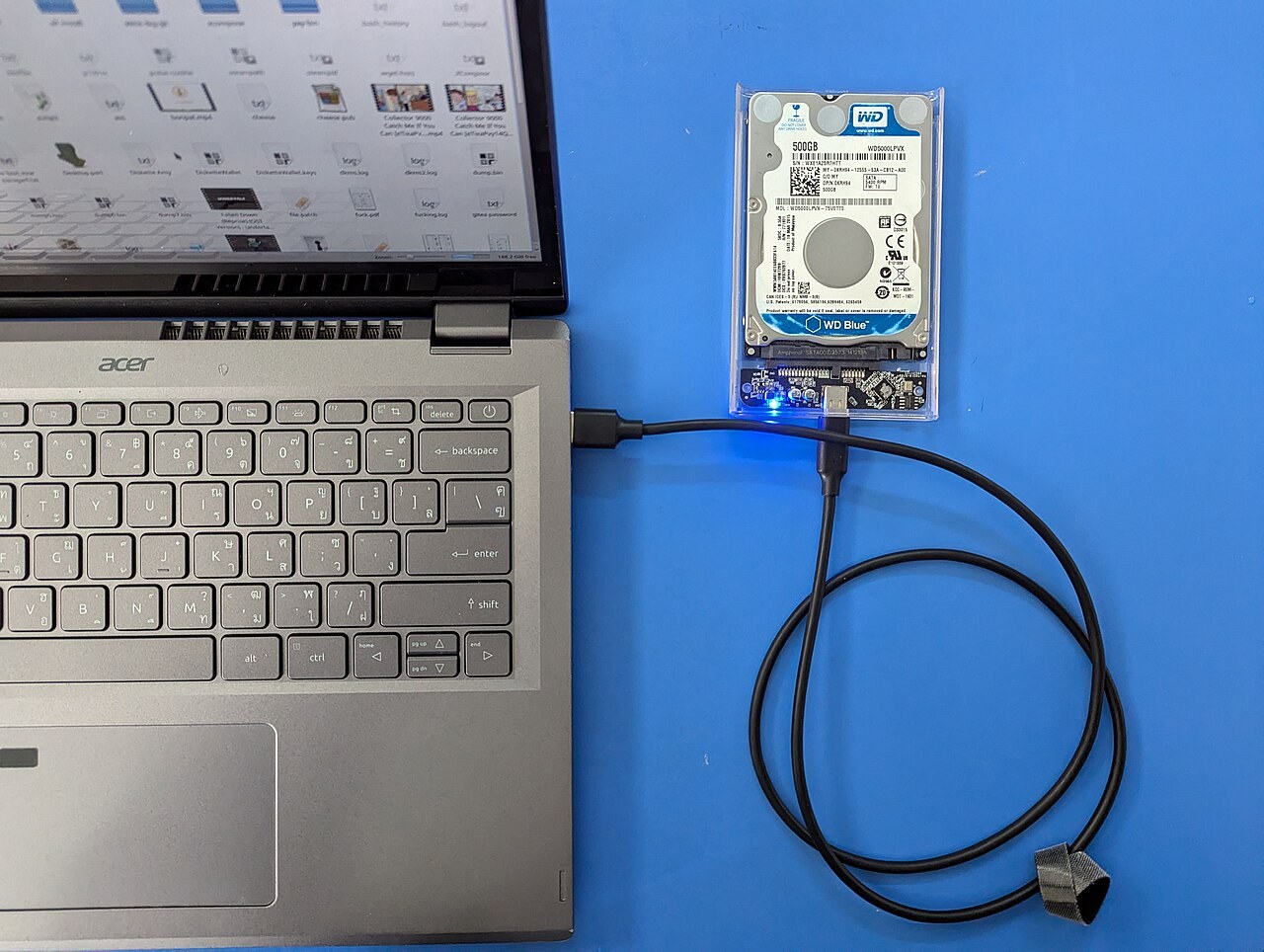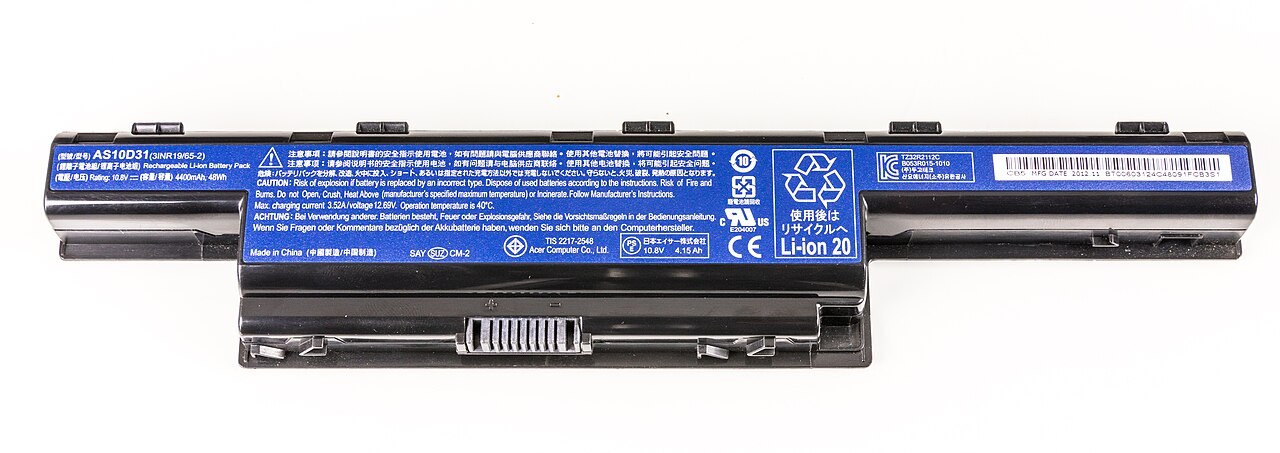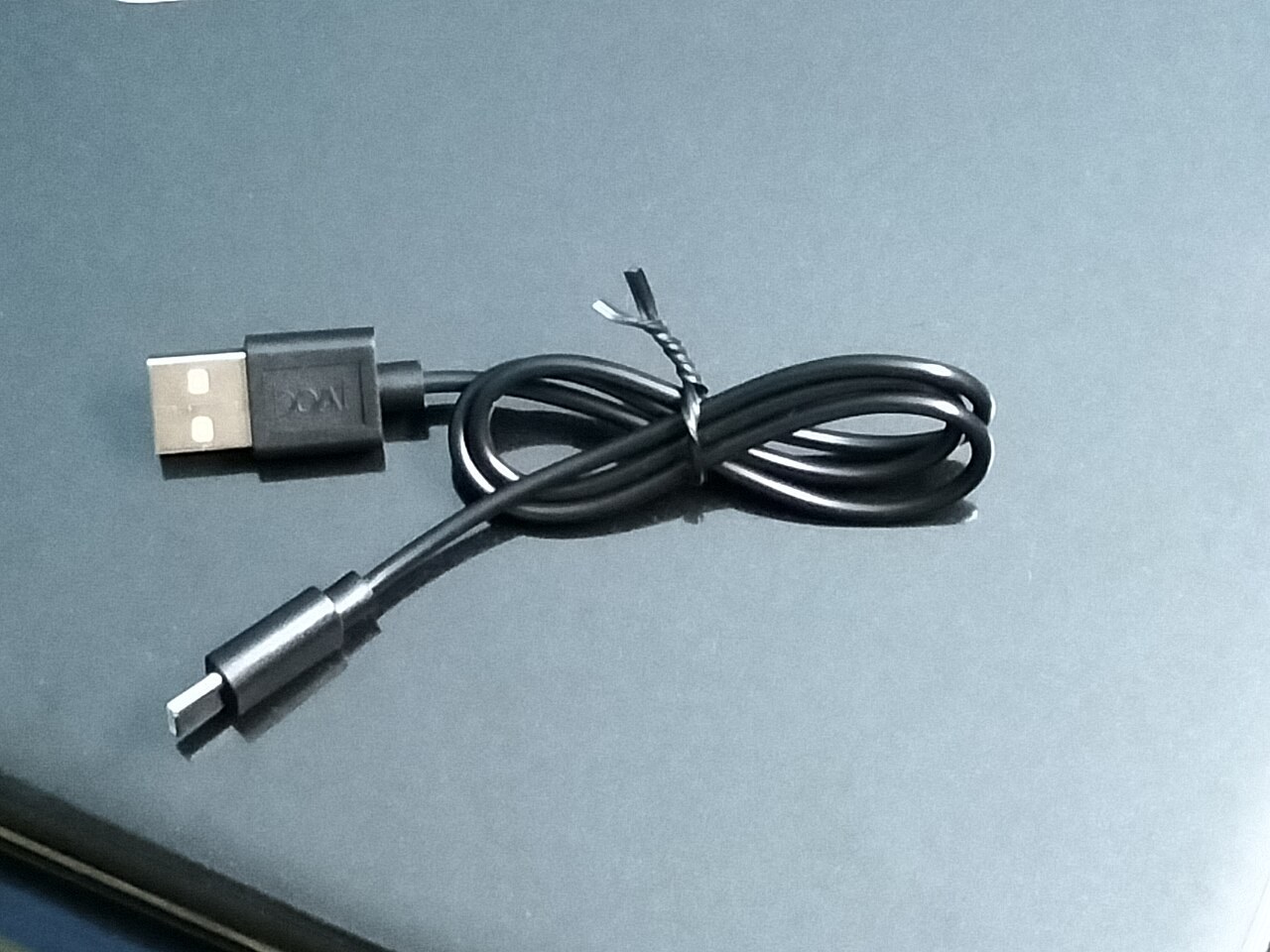
A box of similar power adapters saves space at first but takes time later. Clear identification also prevents an accessory that physically fits yet is unsuitable from being used accidentally. Useful organisation follows actual product combinations.
Identify components before storage
Place accessories beside their associated product and compare model or part numbers with the documentation. Clearly label confirmed combinations. Use a small label or marked bag without covering warnings, ventilation areas or electrical contacts. Record the function and device, such as camera data cable or confirmed adapter for model X. General labels like USB or laptop say little when capabilities differ. Put unidentified pieces in a separate unresolved group. Do not try unknown power adapters one after another until a product responds. A response would still not establish complete compatibility or make the combination appropriate for continued use.
Avoid tightly bending cables
Inspect cables and connectors for visible damage before putting them away. Damaged accessories do not belong among usable components. Coil suitable cables loosely with gentle curves, avoiding pressure at the connector transition. Do not pull on the lead to unplug it. Keep small fasteners in their own clearly labelled bag with the accessory set. Heavy metal pieces should not touch delicate surfaces. Choose a dry storage location and follow any special requirements for batteries or electronics. Tight wrapping around a power brick can look tidy while repeatedly stressing the same point, so it is not a universally suitable storage method.
Keep the set useful for next time
Store the relevant component list or a reference to the correct manual with the product. Check both markings and condition again before reuse. A label does not replace noticing a cable that has since become damaged. When selling or transferring the device, include only confirmed associated components in its contents list. Describe personal additions separately. Remove notes containing passwords or account information from accessory bags. For rarely used pieces, a simple inventory with a storage location helps more than a complicated system nobody maintains. The aim is a reliably identifiable, retrievable combination rather than the greatest quantity squeezed into the smallest space.
Common questions
Should I keep an unrelated adapter as a spare?
Only when suitability is established and it is intact. Store unconfirmed components separately so they are not accidentally treated as compatible replacements.
Are cable ties always suitable?
Use gentle restraint without crushing or tight bends. The cable construction and manufacturer guidance matter more than making the bundle as tight as possible.