The power button is rarely the best place to start after a delivery. An orderly inspection helps you notice packaging damage, missing parts and installation requirements before the product enters normal use.
Capture the arrival condition first
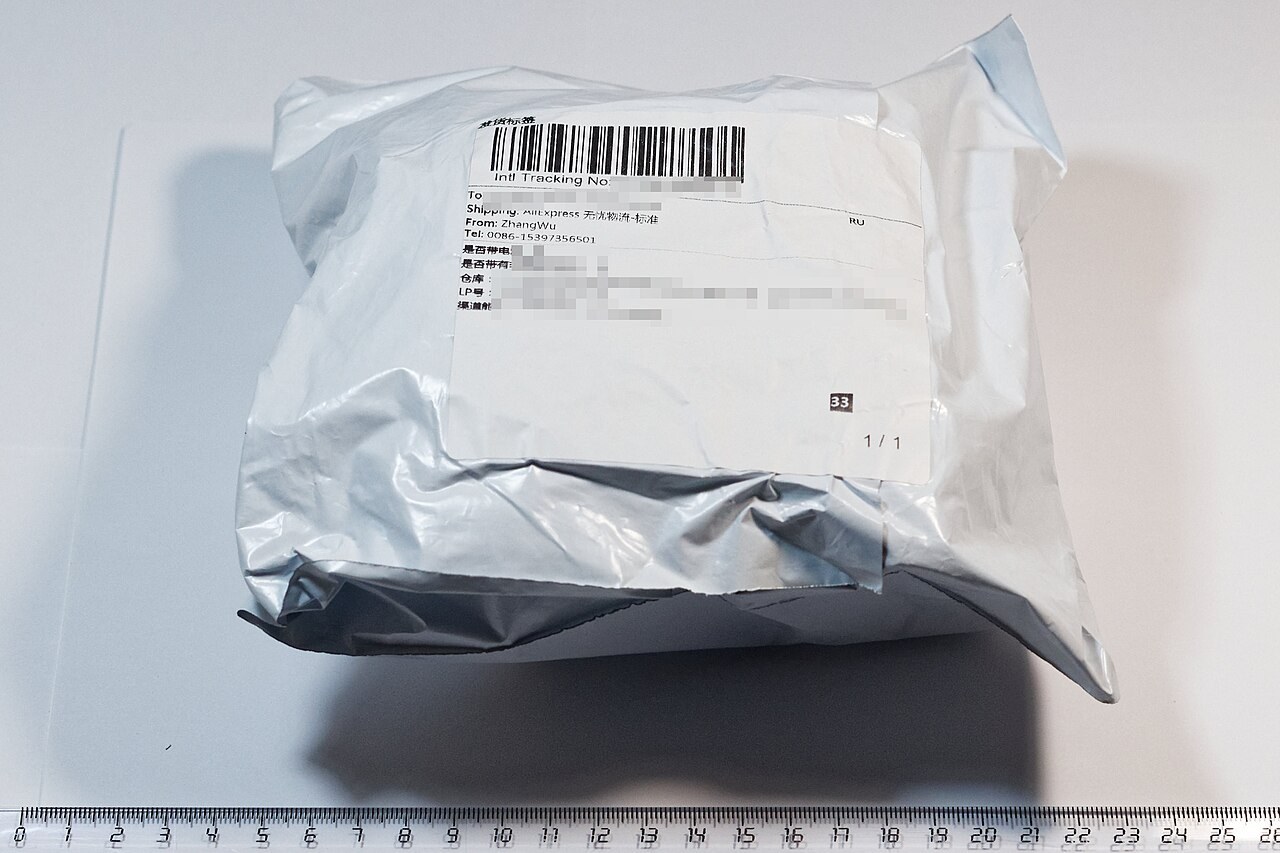
Put the parcel on a clear, dry surface. Photograph visible crushing and the location of the shipping label before opening the box. Cut only as deeply as necessary because cables or cushioning may sit directly underneath. Keep the packaging and filling material for now. Look at the contents in their original position rather than immediately rearranging everything. A damaged box does not prove the product is damaged, and an intact box does not exclude damage either. Do not start a functional trial if you find leaking liquid, exposed conductors or significant deformation. Keep clear and ask how the item should be handled.
Match the identity and supplied parts
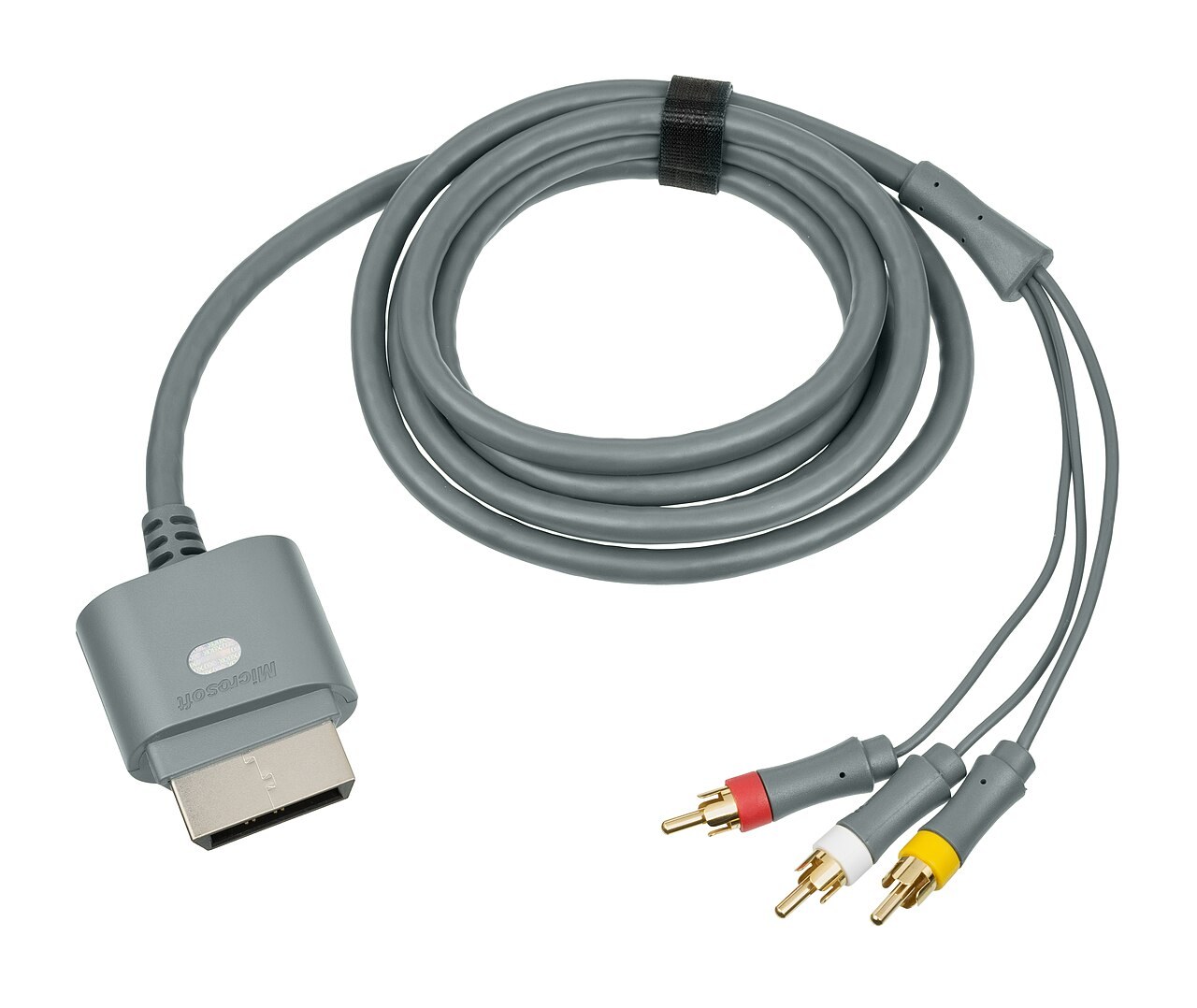
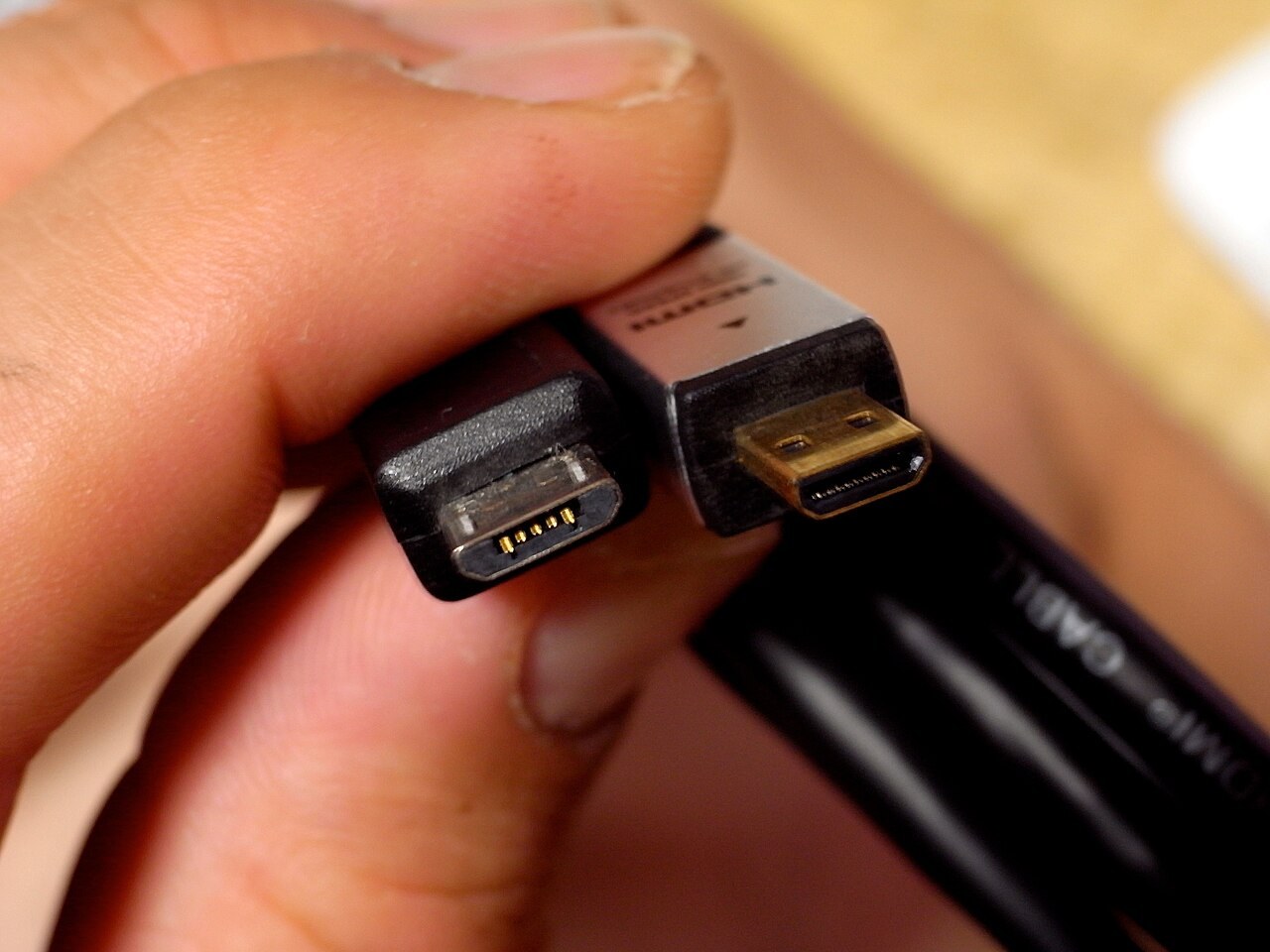
Compare the complete model identifier with your order and the listing. Similar-looking versions can have different connections or accessories. Lay the supplied components alongside one another and compare them with the contents specifically promised in the offer. A manual often explains the assembly but does not replace the individual sales description. Note missing parts and anything you cannot identify confidently. Photograph discrepancies without publishing private identifiers. Avoid cleaning or altering a suspicious area if doing so would erase its original condition. A concise written inventory is easier to review than several disconnected messages sent to the seller.
Then try an ordinary task
Read the first-use instructions. Some products require professional installation, transport protection to be removed or specific preparation; follow the exact manual. Use the correct power supply and intended accessories. Start with a manageable everyday task and remain nearby. Record the time, selected mode and behaviour you observe. Do not deliberately push the product beyond normal use to force a fault. A brief successful run cannot establish long-term reliability or electrical safety. If something differs from the description, explain it precisely and stop when warning signs appear. Collect unresolved questions before buying replacement parts or making extensive configuration changes.
Common questions
Do I need to film every step?
No. A few clear photographs and a dated note can describe the sequence effectively. Video is useful when a particular movement or sound matters.
When can I discard the packaging?
Keep it while the inspection and any damage enquiry remain unresolved. Intact cushioning is particularly helpful if the item needs to be returned.