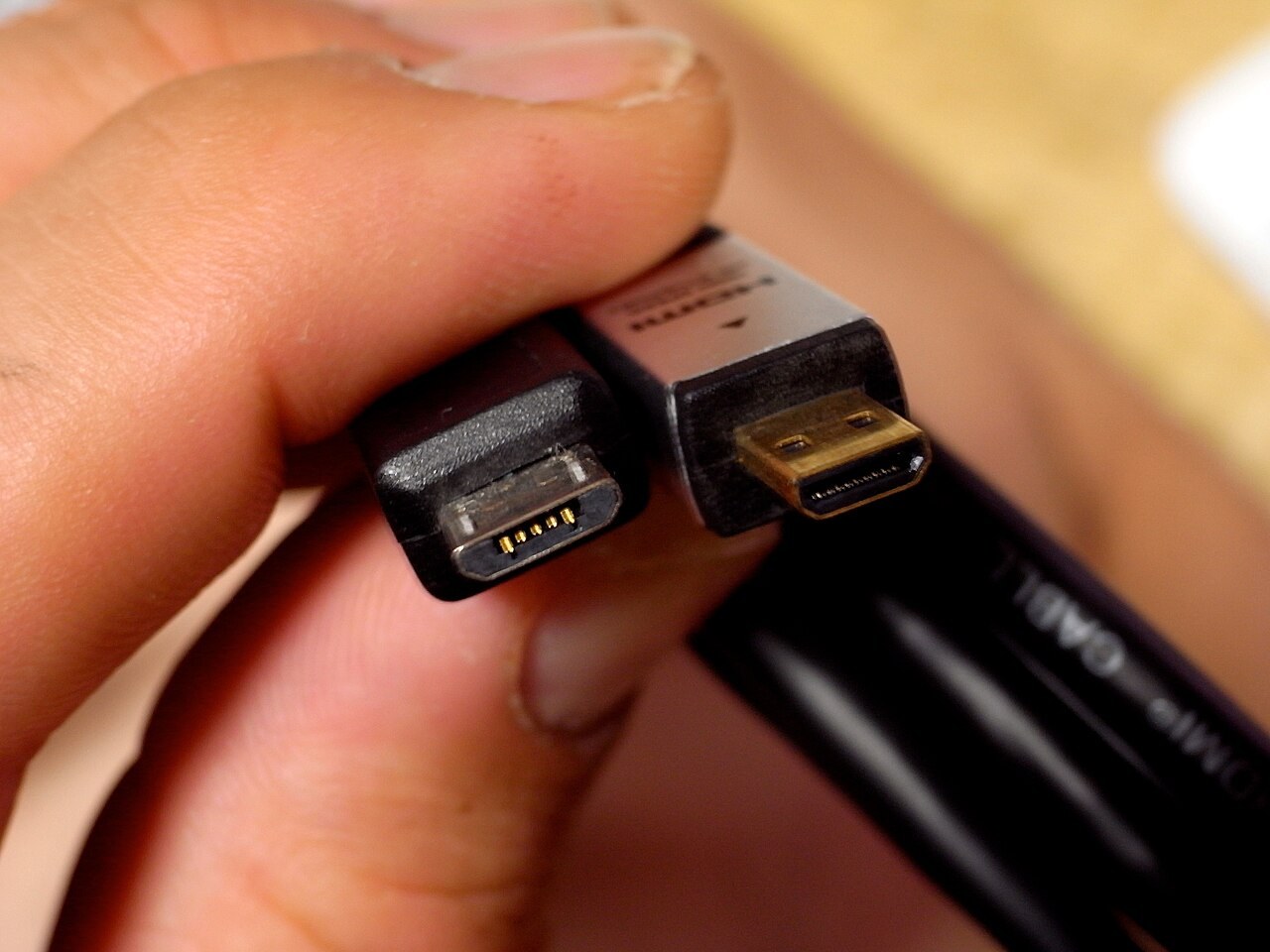
Two connectors fitting together answers only one compatibility question. Open-box products sometimes lack original accessories, making accurate identification worthwhile before you connect an apparently inexpensive substitute.
Name the function you actually need
Write down what the connection must do: charge a device, transfer files, drive a display or operate a particular accessory. Those tasks can require different capabilities. USB-C, for example, describes the connector shape without guaranteeing every possible data or charging function. Compare the specifications of the source, cable and destination instead of looking only at their sockets. Adapter direction matters too. A product designed for one particular output does not necessarily work in reverse. Check whether the required function also depends on a particular operating system, driver or separate power supply before treating the connection as complete.
Record the complete variants
Note the model number, version and, where relevant, hardware revision. Similar product names may be used across several generations. A power supply must meet the electrical and connection requirements stated by the device manufacturer; a matching case colour tells you nothing. Mechanical parts require the correct mounting spacing, shape, locking mechanism and load approval. Photographs help but do not replace reliable identification. Compare precise manufacturer specifications or an explicitly confirmed compatibility list. If an essential detail is missing, ask a specific question naming both models. Words such as universal or suitable for many models do not provide enough information to establish that match.
Make a decision from a clear result
Keep three outcomes separate: confirmed compatible, confirmed unsuitable and unresolved. Do not treat the last group as approval. Buy only after essential requirements are understood and the complete connection path can be assembled. Check labels and condition again when the accessory arrives. Never force a plug or alter contacts to make an adapter fit. Do not begin a trial with an unidentified power supply or damaged cable. A successful short run confirms only that particular task; it does not turn an unspecified accessory into a generally suitable solution for other products or more demanding applications.
Common questions
Is an identical connector shape enough?
No. The physical connector, supported function and electrical characteristics must agree. Some connections also depend on direction or a software requirement.
What if I cannot identify a part number?
Send the manufacturer or supplier the complete device identifier and readable photographs of the markings. Ask for written confirmation of the specific combination.