Attractive components can distract from the key questions when buying a used bicycle: does it fit, and is its structural condition understandable? Ask for the model, frame size and known crashes. A repainted frame or changed components need explanation before a test ride is arranged. Evaluate the complete bicycle rather than treating an expensive drivetrain as proof of overall suitability.
Inspect frame and fork systematically
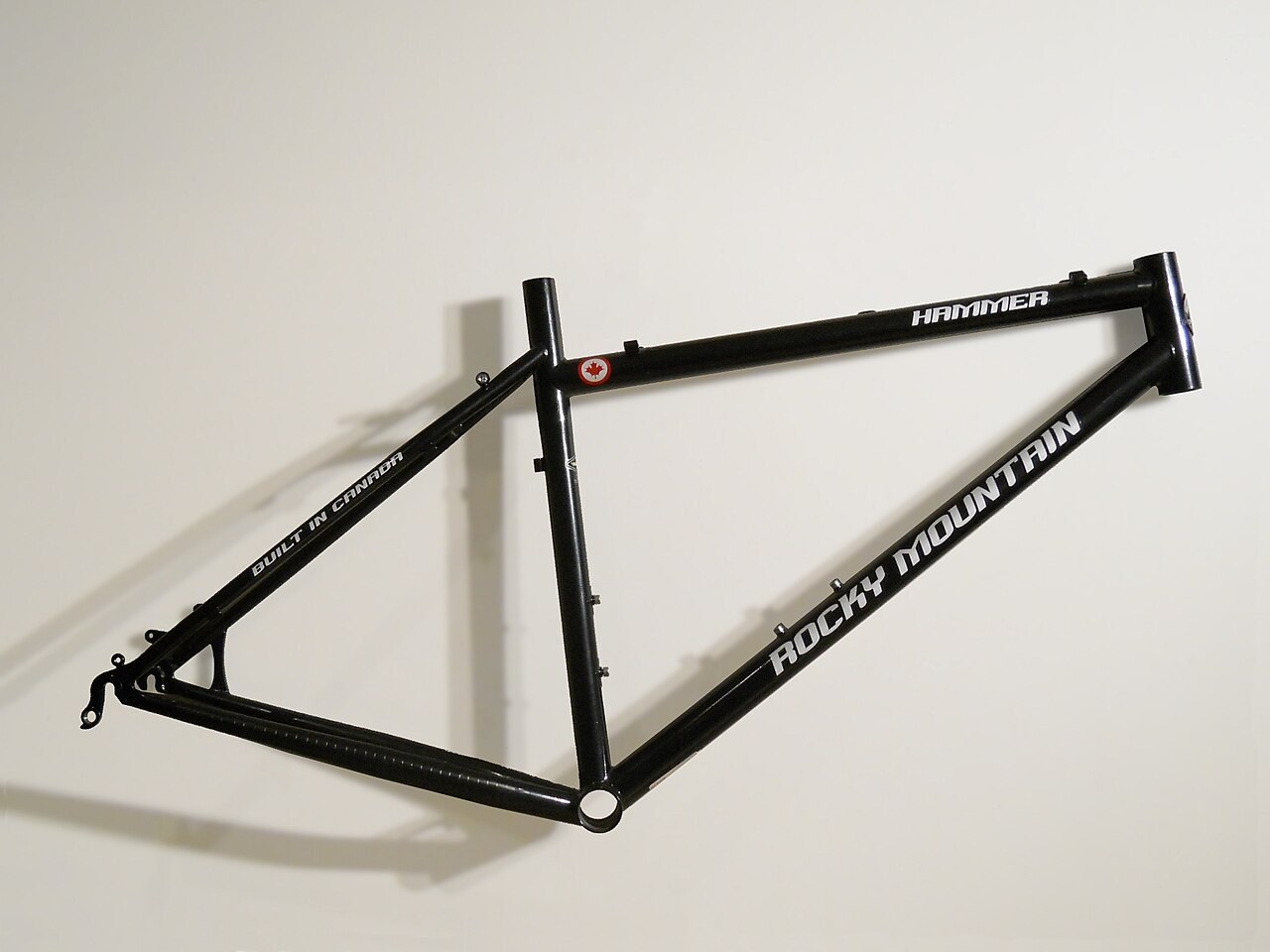
Examine accessible tubes, joints and fork in good light. Look for visible cracks, distortion and unusual paint changes. A small paint mark may be cosmetic but does not establish the soundness beneath it. Do not scrape surfaces or load suspect areas experimentally.
Trek emphasises assessment of carbon components after crashes or impacts. This matters particularly when the history is uncertain. An apparently undamaged photograph cannot exclude concealed damage. Have suspected problems checked by a suitable bicycle professional before riding.
Assess size on the assembled bicycle
Compare model geometry with your needs instead of relying on one frame number. Stem, bars, saddle and permitted adjustment also influence riding position. Ask about modifications and respect insertion-depth markings. An excessively extended seatpost is not an acceptable solution to a wrongly sized frame.
Once exterior checks and any qualified assessment establish readiness, a controlled normal test ride can help. Braking and steering must function safely first. Riding a bicycle with obvious damage is not an appropriate sizing trial. Record pressure points or inaccessible controls without treating a brief ride as a lasting comfort guarantee.
Include overall condition in the price
Tyres, wheels, brakes and drivetrain need assessment too. A good frame with heavily worn components brings further costs. Have uncertain findings and required work evaluated beforehand. A broad claim of ready to ride should not replace a specific maintenance description.
Check bicycle identity and understandable provenance against available documents. Plan transport without improvised clamping of frame or components. The economically suitable bicycle is a complete appropriate combination, rather than the most expensive individual part in a listing.
Common questions
Does undamaged paint prove a sound frame?
No. Damage may be unobvious, particularly after impacts. Ask about history and have suspect areas examined professionally.
Can another saddle correct the size?
Minor adjustments may help, but a fundamentally unsuitable frame does not automatically become suitable. Respect permitted adjustment ranges.