A used camera cannot be judged solely by enclosure condition or a quoted shutter count. Reliable controls, saved pictures and suitable components matter for your work. Plan a few ordinary photographs with a compatible lens and storage medium instead of probing the sensor with improvised tools during a buying inspection.
Clarify the system and exterior condition
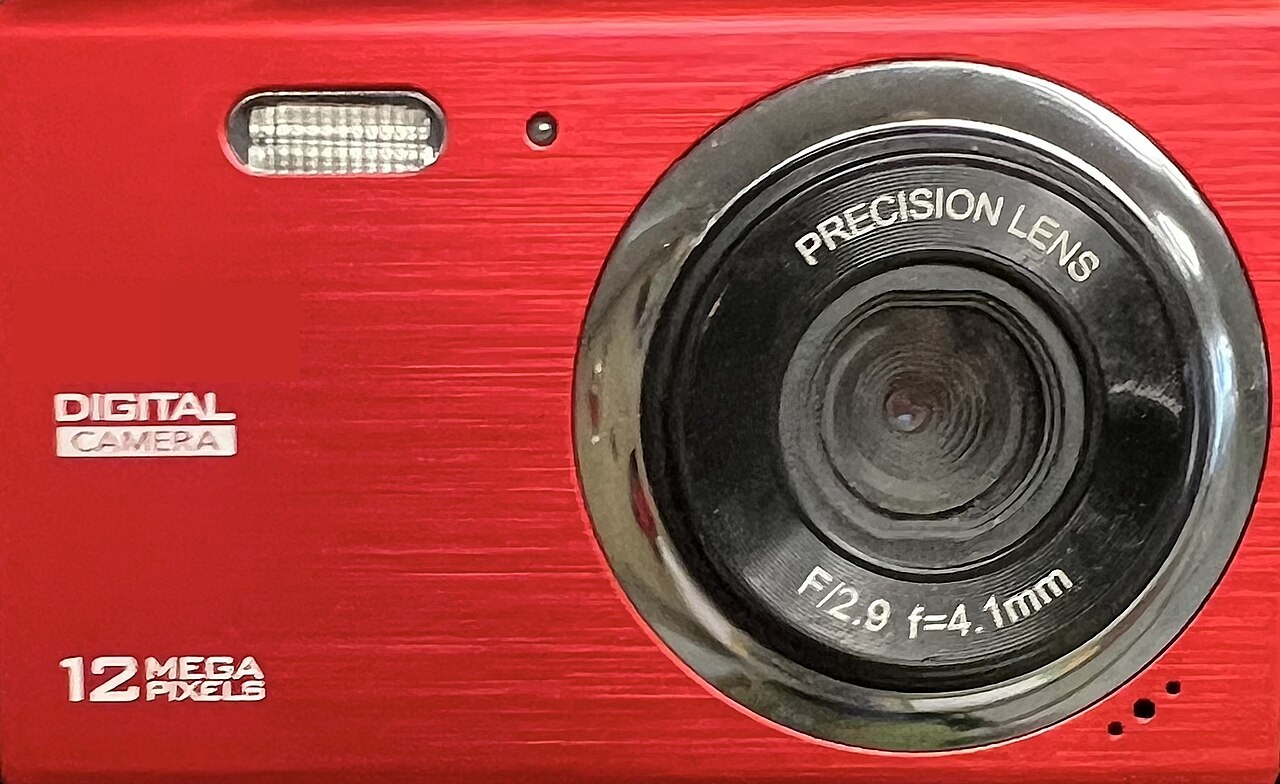
Identify the body, lens mount and necessary accessories. Check battery, charger, covers and memory-card format against the manual. A lens from the same brand does not automatically fit the body. If buying a set, have every component explicitly identified rather than relying on a broad description of camera equipment.
Inspect enclosure edges, doors and mounting areas for cracks and distortion. Try switches, dials and buttons with normal movements. Stiff doors and loose mountings need description. A shutter counter can provide context, but it does not capture every aspect of usage history, previous repairs or the camera’s present functions.
Inspect saved photographs
Take several subjects with different details and inspect the saved files on a suitable screen. Try focus and controls in the modes you need. A visible preview alone cannot establish that writing to and reading from the memory card works reliably, so check the recorded result as well as the screen while shooting.
Recurring spots may have different explanations. Nikon explains that sensor dust can cause dark areas and describes its own maintenance services. Nevertheless, do not identify the precise cause from one symptom without investigation. Lens, subject and settings also influence the picture. Keep conditions and original files available for useful follow-up questions.
Separate inspection from cleaning
Do not touch the sensor or delicate internal surfaces with a cloth. Nikon specifically warns that sensors are sensitive and points to appropriate service where dirt cannot be removed suitably. A buying inspection is a poor occasion for inexperienced improvised wet cleaning that might change the condition being assessed.
Also check the viewfinder, display, connectors and any needed flash operation within the intended procedure. Ask about known repairs and documented maintenance. Include missing batteries or cleaning work in the overall effort. An understandable inspection is more useful than a very low shutter count that distracts from other unresolved questions.
Common questions
Does every dark spot mean a failed sensor?
No. Dirt and other influences can produce similar results. Compare photographs and have a persistent issue appropriately investigated.
Does a low shutter count prove little wear?
It describes only part of possible use. Controls, electronics, storage conditions and repairs still require assessment.