An energy label helps compare models, but it is not a condition report for an individual used product. Start by identifying the product and the standardised usage basis behind its figures.
Connect the label with the actual model
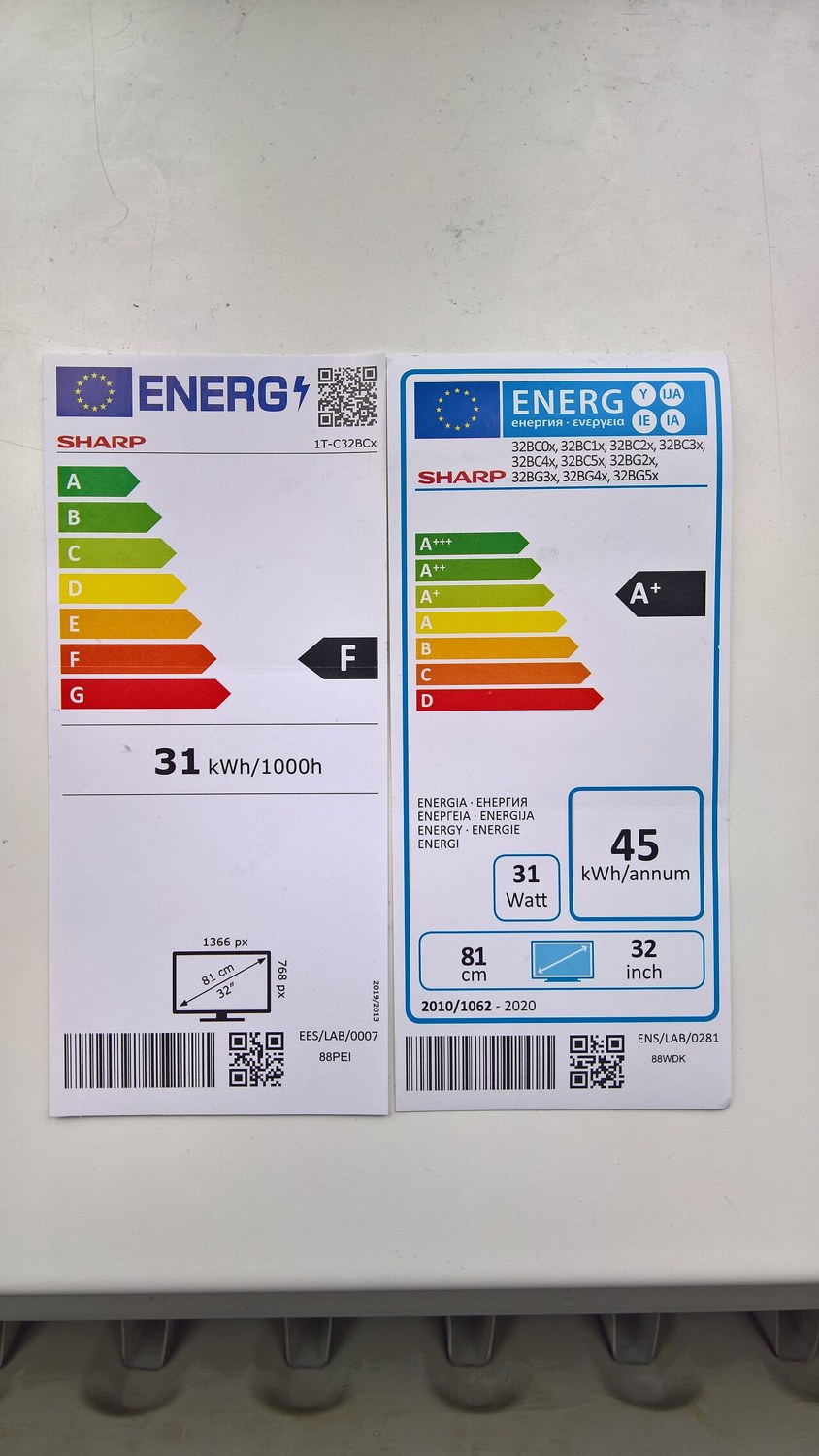
Compare the model identifier on the label with the marking on the offered product. A similar retail name is insufficient. QR codes on current EU energy labels lead to the corresponding EPREL product information. Check the official address and model details before using the figures. The European database allows searches and comparisons within product groups. If the printed label is missing, the exact identifier may still allow a search. Failure to find a result does not by itself establish that an older product is counterfeit or unlawful. First check spelling, the product category and the documentation available for that particular model.
Read the unit as carefully as the number
Read the complete consumption figure and its reference basis. Depending on the category, a figure may refer to a year, a specified number of cycles or a particular operating duration. Capacity belongs in the comparison too. A small product and a substantially larger one do not necessarily perform the same task even if their efficiency letters match. Start with comparable sizes and a usage pattern relevant to you. Additional symbols may concern water consumption or sound information. Do not transfer figures between different programmes or operating modes. The explanation for the particular product group is more useful than a general catalogue of every possible symbol.
Assess individual condition separately
Published figures describe a model under defined conditions. Blocked airflow, damaged seals or unsuitable installation are not automatically reflected in them. Assess those features separately using the manual and the product itself. Your operating habits can also differ from standardised use. To estimate costs, combine appropriate consumption figures with your usage and tariff. Save the product information with the date when comparing several offers. This makes it possible to see whether a difference comes from the model, a different measurement basis or an unclear sales description. The efficiency letter does not replace that interpretation and cannot certify that a particular used item still performs as expected.
Common questions
Can old and newer classes be treated as equivalent?
Do not rely on the letter alone. Check the scale used and the actual consumption figures for the relevant product category.
Does EPREL show wear on my particular appliance?
No. Its information concerns the registered model. The condition of an individual item requires a separate inspection or professional assessment where appropriate.