A used appliance is not necessarily faulty because it makes a sound. The type, context and changes matter. Structured observation helps when asking for advice, but cannot replace a technical assessment.
Record the circumstances
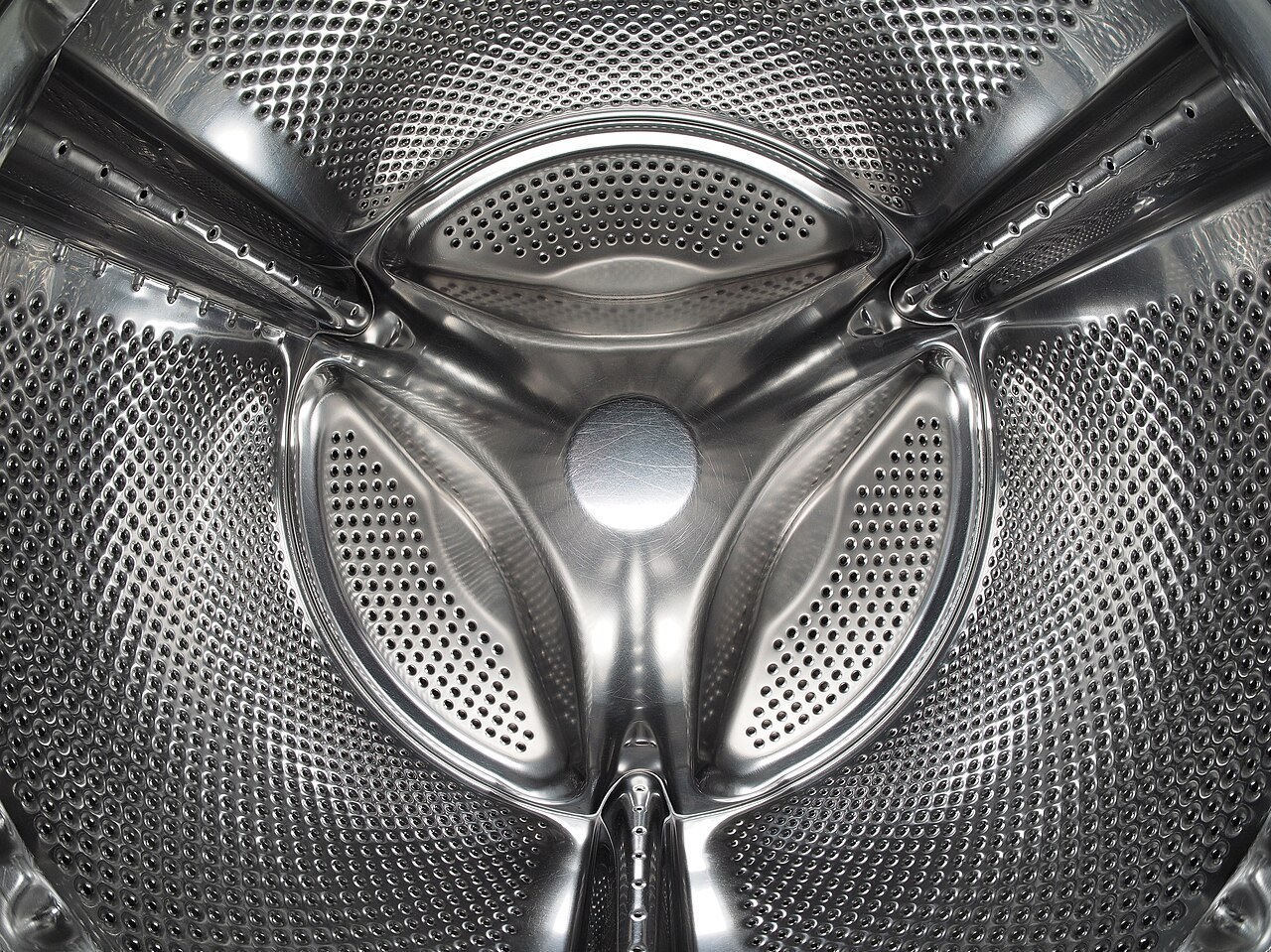
Note when the sound occurs: at startup, during switching, under load or in a particular programme phase. Record the model, selected mode and installation conditions. Loading can matter for a washing machine; operating phase and contact with nearby objects can matter for a refrigerator. Manufacturers sometimes describe normal operating sounds in their instructions. Compare those explanations with your observation rather than using an arbitrary video of another product. A suddenly new sound deserves a different assessment from an unchanged operating sound. Record whether the behaviour has changed and the conditions under which that change appeared before trying to interpret it.
Check simple external causes safely
Check only safely accessible points intended for users in the manual. Is the appliance positioned according to its installation instructions? Are loose objects touching the enclosure? Are accessories correctly fitted? A newly installed appliance needs all specified preparation completed before another run. Do not move a heavy product alone or reach into moving mechanisms. Do not remove covers to hear the interior while it operates. If sound accompanies smoke, a burning smell, severe movement or visible damage, stop the inspection. Finding a comparison then becomes less important than ending use safely and having the problem assessed.
Make the recording useful
A short video can show which phase produces the noise. Film from a safe position and briefly explain what is happening. Phone microphones, room acoustics and distance affect the recording, limiting loudness comparisons between different clips. Describe whether the sound is rhythmic, a single event or linked to a particular movement. Send the information to the seller or service provider and ask what further safe observation would help. Do not invent a component diagnosis from one sound. If professional inspection is needed, clarify the arrangements and transport. A later brief run sounding normal does not automatically invalidate an earlier documented abnormality.
Common questions
Can a phone app identify the faulty component?
A reading or recording is not a reliable component diagnosis. Meaningful measurement requires suitable conditions and informed interpretation of the result.
Is a clicking fridge always a concern?
No. Switching can produce sounds. Check the explanation for your model and ask for assessment if behaviour changes unexpectedly or other warning signs appear.