When a product needs to go back, the practical and organisational steps must fit together. Establish the reason and procedure before packing. Return instructions are not automatically a statement about all applicable legal rights.
Confirm the procedure first
Contact the responsible provider with the order reference and a specific explanation. Confirm the recipient, identifying information, shipping method and any collection arrangements. Ask which components should be returned and which documents are required. Use an address explicitly provided for this case instead of assuming an old invoice gives the correct destination. Transport needs separate clarification for damaged batteries, leaking products or other safety issues. Do not simply pack these as ordinary parcels. Keep the agreed steps in writing. A printed label alone answers neither whether the contents may be transported nor whether the protective packaging is suitable.
Prepare components and personal information
Compare accessories with the original delivery and return instructions. Do not accidentally include your own cables, memory cards or personal additions. For products that hold information, back up what you need and follow the appropriate official instructions for removing data and account associations. Signing out alone is not necessarily full erasure. If a fault prevents safe data removal, discuss that problem with the provider before shipping. Record the condition and components being sent. Include only required documents and retain your own copies. Do not publish serial numbers or personal information in public photographs of the return.
Prevent movement inside the parcel
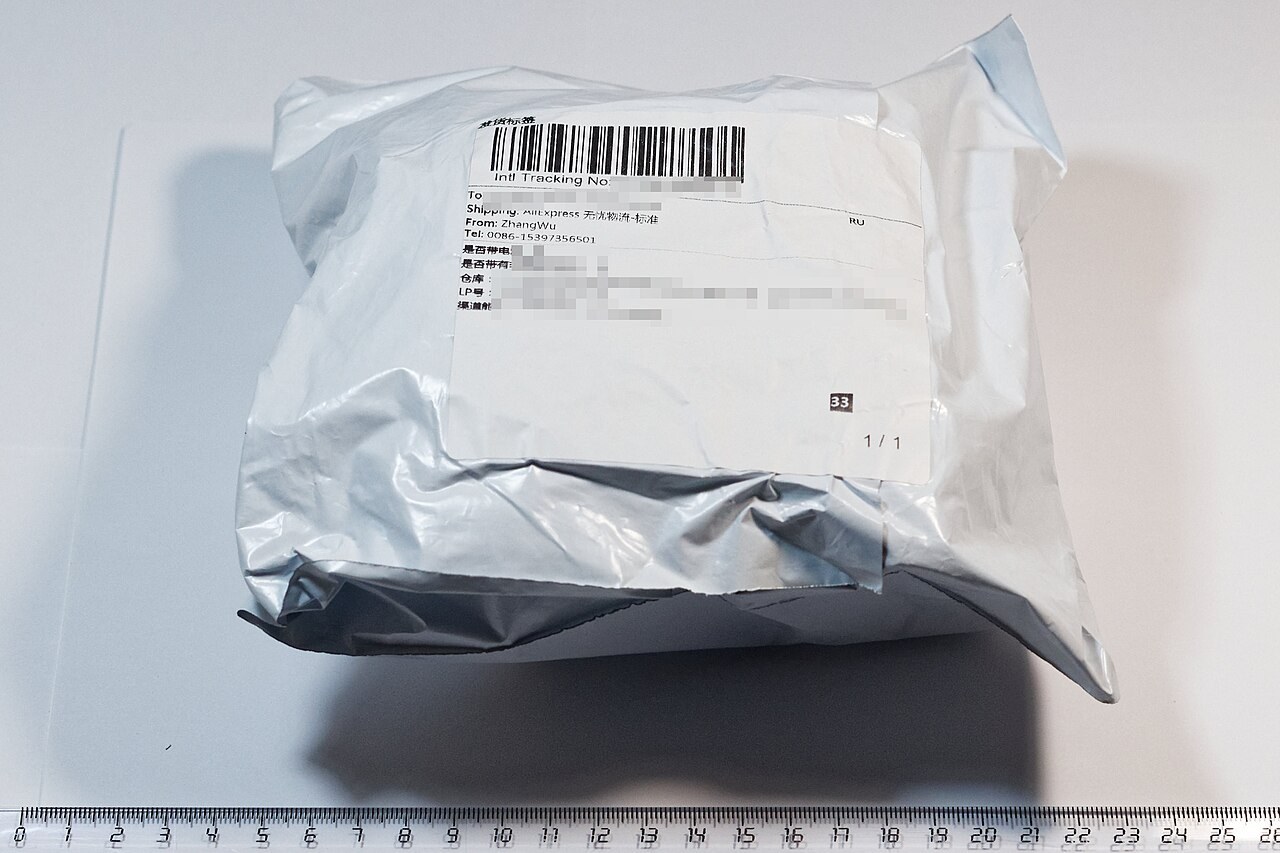
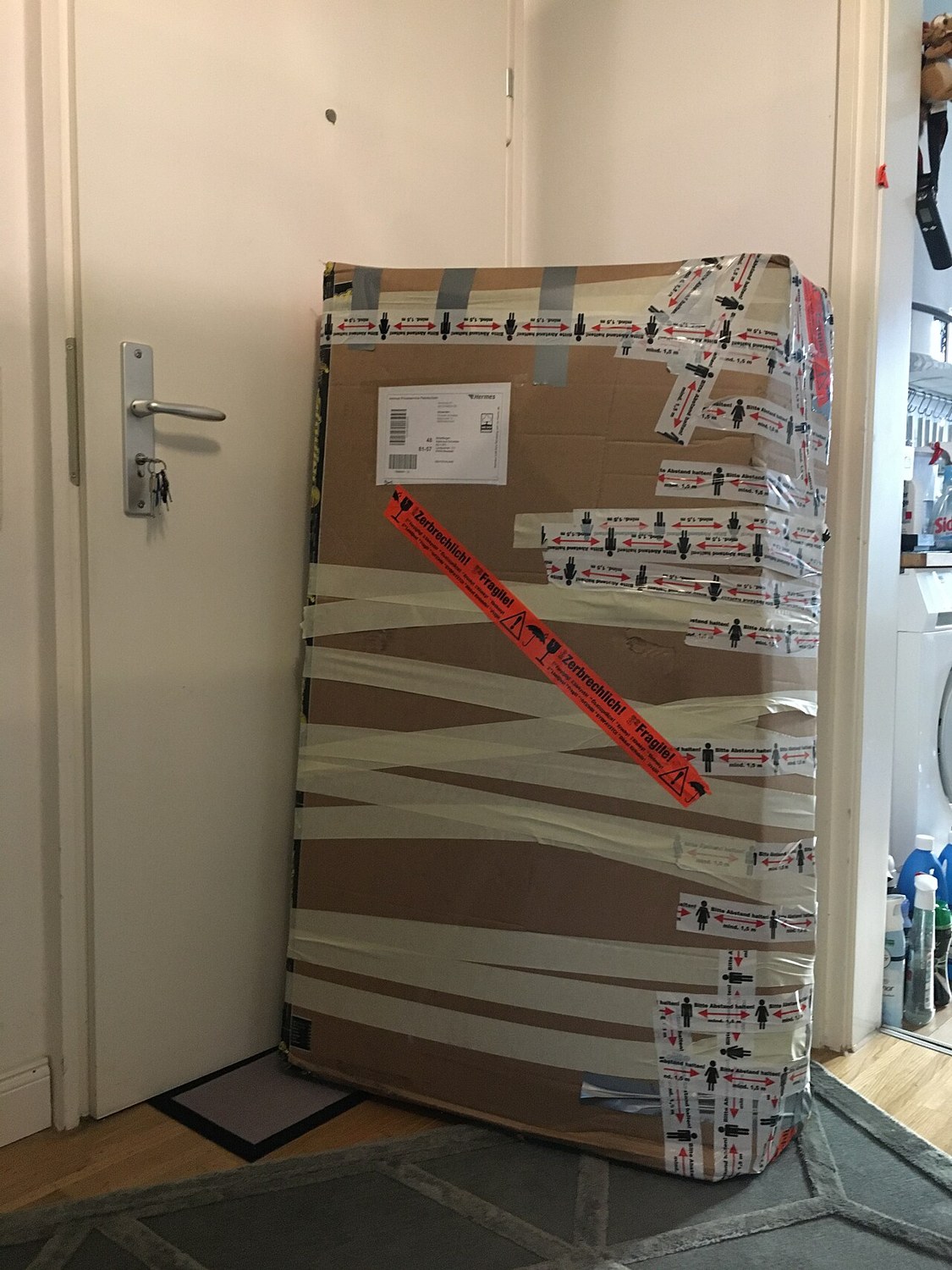
Use a sturdy outer box and cushioning suitable for the product weight and fragility. Separate loose accessories so they cannot damage surfaces. The item should not strike the box walls without protection. Original packaging helps, but damaged or incomplete inserts do not automatically provide adequate protection. Close the parcel securely and remove obsolete shipping markings. If useful, photograph the packed contents before sealing the box. Keep proof of posting and tracking information. Careful packaging cannot replace agreement about the procedure, but it reduces the risk of further damage and makes the returned contents easier to establish if a question arises later.
Common questions
Should I thoroughly clean the item first?
Remove your own contents and follow the agreed procedure. Do not alter a disputed condition with intensive treatment before documenting it and clarifying the next step.
Can damaged batteries be sent as ordinary parcels?
Do not assume so. Ask the provider and intended carrier about safe permitted arrangements for the particular condition before shipping the item.